Michigan Flies

Flies / Nymph

Gold-Ribbed Hare's Ear

A

The generalist buggy nymph for Michigan's clinger mayflies and caddis pupae, and MidCurrent lists a #10 to #14 Hare's Ear among winter steelhead nymphs. Dead-drift it under an indicator all season for trout, and as a trailer behind an egg or stonefly for steelhead.

#8–18NaturalOliveBeadhead
What the pattern looks like
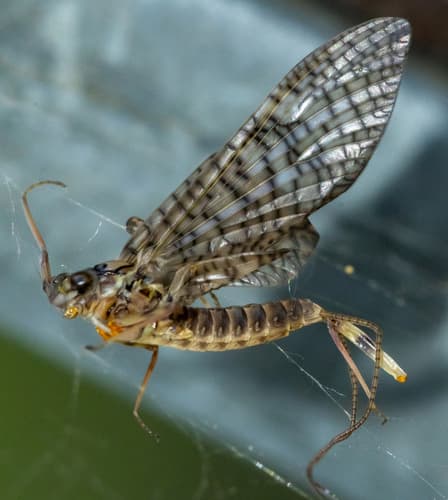
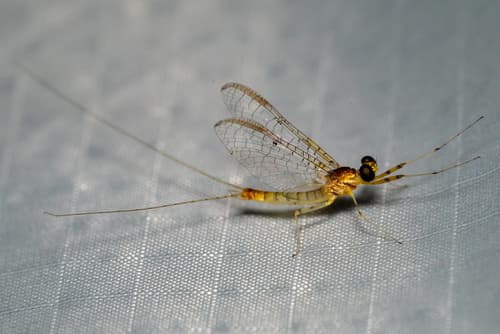
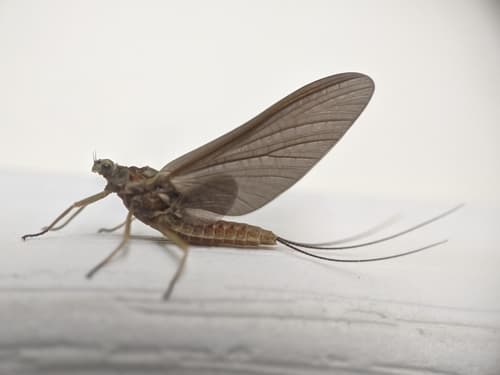
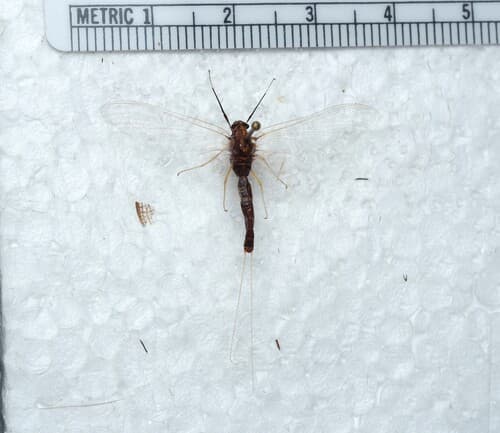
Reference photos of the Gold-Ribbed Hare's Ear tied by others, shared by their photographers. Not our flies; our own product photos replace these as they are shot.

Photo © Quinn for Fly Deal Flies, used with permission · GR Hares Ear

Season
Months this pattern is in play across Michigan, derived from what it imitates.
  1. Jan
  2. Feb
  3. Mar
  4. Apr
  5. May
  6. Jun
  7. Jul
  8. Aug
  9. Sep
  10. Oct
  11. Nov
  12. Dec
Imitates

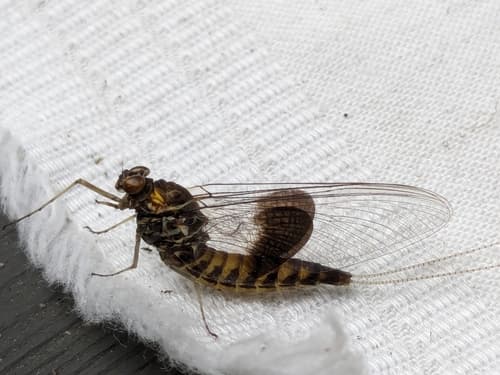
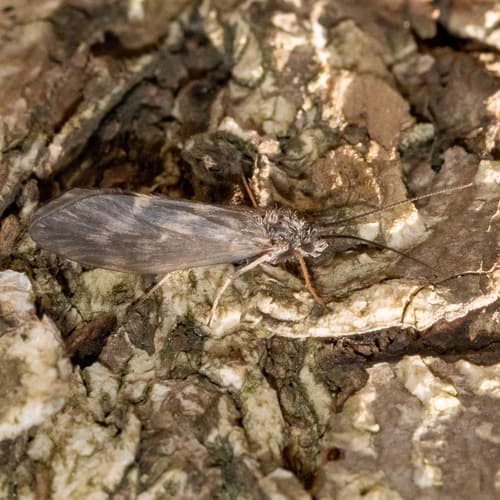
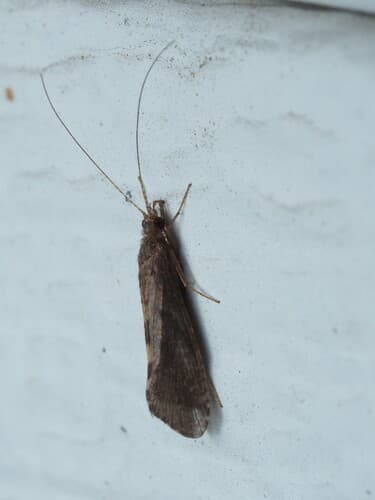
The naturals

Fish it for

Setups

  • Indicator nymphing
  • Euro / tight-line nymphing
How it's tied
A
The all-purpose buggy mayfly nymph: spiky hare's mask fur, gold rib, dark wingcase. Nothing in particular and everything in general. Our own write-up of the standard tie, checked against the sources below. Recipe by Phil Monahan, Orvis News (video by Tim Flagler) (2013).

Materials

Hook
3X-long nymph hook (Dai-Riki 285), sizes 12-20, or a 2X-long nymph hook (TMC 5262) 8-18
Beadoptional
Gold, 7/64 in on 12-14, 3/32 in on 16, 5/64 in on 18The Beadhead variant; leave it off for the classic.
Weightoptional
.015 lead-free round wire, 8-10 wraps, pushed into the back of the bead and locked with Zap-A-Gap
Thread
Olive or dark brown 6/0 or 70 denier
Tail
10-12 pheasant tail fibres (Orvis tie); classic uses hare's mask guard hairs or hen back fibres
Rib
Gold Ultra Wire, brassie; classic uses fine flat or oval gold tinsel
Abdomen
Hare's mask dubbing blended with rabbit, natural; olive-dyed hare's mask for the Olive variantUse the finer fur from the face for the abdomen.
Wingcase
The pheasant tail butts pulled forward (Orvis tie); classic uses a slip of mottled turkey tail
Thorax
Coarse hare's mask fur with the guard hairs left in, picked out
Coatingoptional
UV Clear Fly Finish or head cement on the wingcase

Steps

  1. 1.If tying the beadhead, slide the bead on small hole first, then wrap 8-10 turns of lead-free wire and push them into the back of the bead; start the thread behind the wire and ramp over it.
  2. 2.Tie in the gold wire rib along the near side of the shank and bind it back to the start of the bend.
  3. 3.Tie in the pheasant tail bundle as a tail about half a shank long, binding the butts forward toward the bead without trimming; they become the wingcase later. (Classic tie: a short bunch of guard hairs for the tail, butts trimmed.)
  4. 4.Dub a tapered abdomen from the tail base to about two-thirds up the shank, twisting the finer face fur tight on the thread so the body stays slim at the rear.
  5. 5.Spiral the gold rib forward in four or five evenly spaced turns, tie it off and break the wire.
  6. 6.Fold the pheasant tail butts back over the abdomen and take a few wraps at the front of the abdomen so they point to the rear. (Classic tie: tie in a turkey slip here, shiny side down.)
  7. 7.Dub a fuller, rougher thorax with the coarse guard-hair blend, leaving room behind the bead or eye.
  8. 8.Pull the wingcase forward over the thorax, tie it down behind the bead, and trim the butts.
  9. 9.Whip finish. Coat the wingcase with UV resin or cement, then rough the thorax and abdomen with a velcro brush so the guard hairs stand out as legs.

From the tier

  • Orvis/Flagler: it does not imitate one insect but suggests many at once; a greased, beadless version fished in the film is deadly when insects are emerging, and a velcro brush makes the guard hairs stand out.
  • Trevor Morgan (Global FlyFisher) found that bodies heavy in guard hairs outfished ones dominated by underfur; he dubs fox squirrel in a rolled finger of fur, ribs with three or four turns of flat gold, and picks the body out with a pin.
  • Michigan: DIY Fly Fishing lists the beadhead Hare's Ear in 12-20 for resident trout on the Muskegon below Croton Dam.

Video: How to Tie the Gold-Ribbed Hare's Ear Nymph Steps follow the Orvis Learning Center beadhead sequence, with the classic tinsel-rib and turkey-wingcase dressing noted as alternatives; Charlie Craven's In The Riffle tutorial was unreachable so his recipe is not cited. Unconfirmed: Origin and date are not confirmed by any fetched source; the classic (beadless, tinsel-ribbed, turkey-wingcase) dressing is given from general knowledge rather than a fetched recipe. Also checked against Orvis Learning Center, Gold-Ribbed Hare's Ear Nymph Pattern & Tying Instructions, Trevor Morgan, Global FlyFisher (2012), Upgrading the Gold Ribbed Hare's Ear and DIY Fly Fishing (2022), DIY Guide to Fly Fishing the Muskegon River in Michigan.

Materials to buy
Everything one Gold-Ribbed Hare's Ear takes, each item once: 5 items, plus 5 optional. Quantities are for a single fly. We do not sell components yet; when we do, these will link to them.

Hook and hardware

  • 3X-long nymph hooks1 pack of 25

    sizes 12-16 · Dai-Riki 285

    Hook

Feathers and fur

  • Pheasant tail, natural1 pair of centre tails

    TailWingcase

  • Hare's mask1 mask (or 1 pack Hare's Ear Plus dubbing)

    natural; olive-dyed for the Olive variant

    AbdomenThorax

  • Turkey tail, mottledoptional1 feather

    Wingcase

    For the classic wingcase.

Synthetics, flash and legs

  • Ultra Wire1 spool

    gold, brassie · UTC

    Rib

Thread and finish

  • Thread1 spool

    olive or dark brown 6/0

    Thread

  • UV Clear Fly Finish or head cementoptional1 bottle

    Coating

  • Zap-A-Gapoptional1 tube

    Weight

Other

  • Gold beadsoptional1 pack

    7/64 in

    Bead

  • Lead-free wireoptional1 spool

    .015

    Weight

Sources