Fish
Eight species, four feeding models. Whether a fish is matching a hatch, hunting sculpins, keying on eggs, or striking out of aggression decides the fly box more than the calendar does.
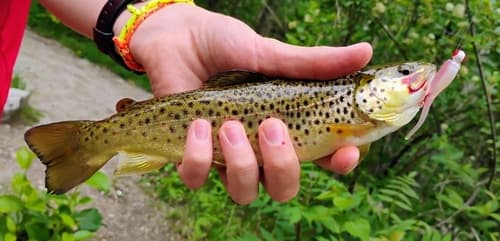
The only Michigan stomach science is unambiguous: large North Branch Au Sable browns were 70 to 80 percent fish (mostly small brook trout plus coarse fish), and Anna River browns over about 12 inches ate mostly fish (stocked coho smolts in May, slimy sculpin June to October) while smaller fish fed mainly on caddis. Treat browns over 12 inches as piscivores that also rise to Hex, terrestrials and mice, and browns under 12 inches as hatch-matchers.
Spawn
- J
- F
- M
- A
- M
- J
- J
- A
- S
- O
- N
- D
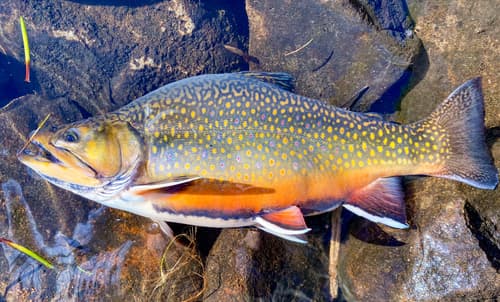
Michigan DNR describes brook trout as voracious feeders on seasonally available mayflies, stoneflies and other aquatic insects plus terrestrials, that will also take whatever is most readily available including zooplankton, crustaceans, worms and fish. No Michigan study quantifies terrestrial share, but West Virginia stream brook trout drew 38 to 47 percent of yearly biomass and 51 to 63 percent of energy from terrestrials, which supports an ant-beetle-hopper emphasis from midsummer on.
Spawn
- J
- F
- M
- A
- M
- J
- J
- A
- S
- O
- N
- D
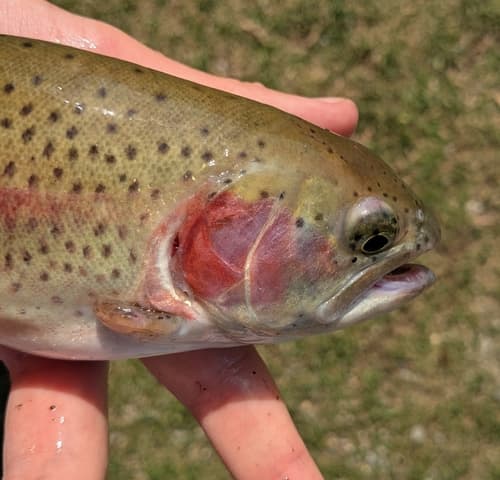
No Michigan river diet study for resident rainbows was located; the Muskegon juvenile-steelhead paper (Godby et al. 2007) exists but its percentages are paywalled. Guides describe Muskegon resident rainbows eating fry of all kinds, stoneflies, caddis, Sulphurs, Gray Drakes and Isonychia, feeding behind sucker redds on eggs, nymphs and steelhead fry in May and June, and Pine River rainbows taking Pteronarcys nymphs and sculpins. Model them as hatch-matchers with a strong fry and egg emphasis in spring.
Spawn
- J
- F
- M
- A
- M
- J
- J
- A
- S
- O
- N
- D
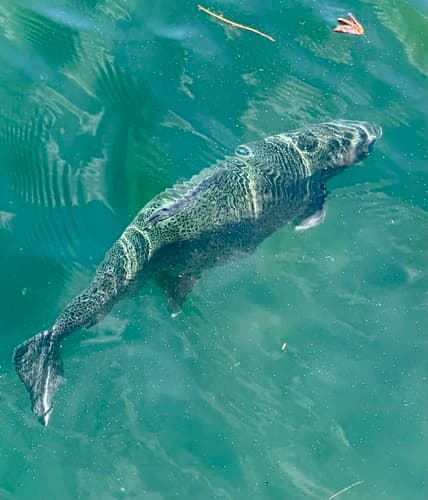
Lake diet is more than 90 percent alewife (Michigan Sea Grant), but steelhead demonstrably feed in rivers: guides describe fall fish switching from alewife to river shiners and keying on Chinook eggs, winter fish on sculpins, gobies, darters and stonefly nymphs, and spring fish gorging on Chinook fry, black stoneflies, Hex nymphs, green caddis larvae and steelhead, sucker and walleye eggs. No Michigan adult-steelhead stomach study was found; the widely quoted 90-percent-empty winter figure is uncited.
Spawn
- J
- F
- M
- A
- M
- J
- J
- A
- S
- O
- N
- D
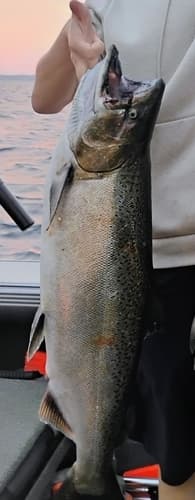
Lake diet is alewife (99 percent by one DNR account) with some smelt. Bloater are now the most abundant forage fish in Lake Michigan, but USGS surveys find no evidence that salmon or trout eat them. On the spawning run the DNR states salmon do not feed but will often strike out of aggression, and fisheries biologists attribute strikes to redd defense. Anglers nonetheless take Chinook on eggs and beads presented behind spawners, and on large dark or bright flies that trigger territorial strikes. Do not match diet; match triggers.
Spawn
- J
- F
- M
- A
- M
- J
- J
- A
- S
- O
- N
- D
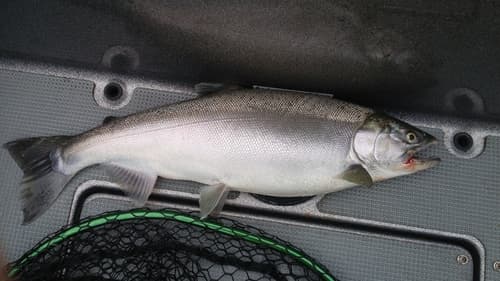
Larger coho feed primarily on smelt and alewife in the lake and are opportunistic feeders there, but on the spawning run they do not feed and strike from aggression. Coho respond especially well to flash: flash flies, chartreuse-and-white or pink Clousers, and Egg-Sucking Leeches swung through runs and tailouts, plus eggs and beads behind spawning fish.
Spawn
- J
- F
- M
- A
- M
- J
- J
- A
- S
- O
- N
- D
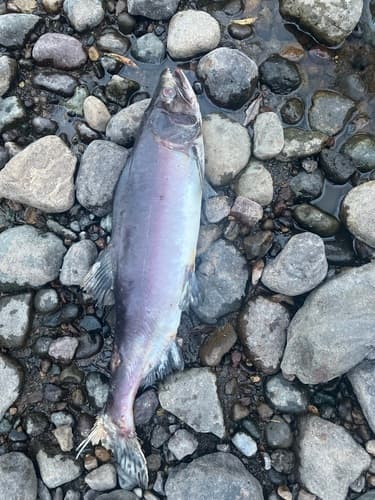
In the lake, Great Lakes pinks eat a variety of fish and other aquatic animals. On the run they behave like the other Pacific salmon and are taken on small bright flies rather than imitations: size 8 beadhead Woolly Buggers in black, olive or pink, size 12 to 20 nymphs (Frenchies, Pheasant Tails, Copper Johns, scuds, zebra midges) in clear water, and small pink or chartreuse eggs and beadheads with flash. Streamers and nymphs account for most of the pinks taken in the St. Marys rapids.
Spawn
- J
- F
- M
- A
- M
- J
- J
- A
- S
- O
- N
- D
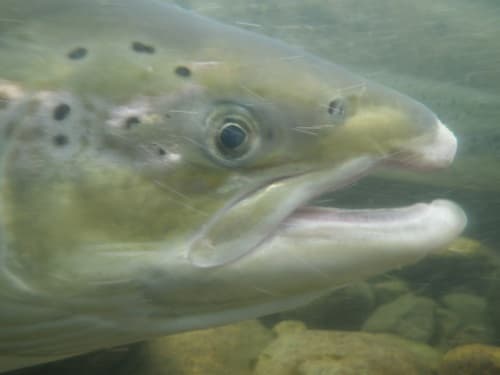
Atlantics are the exception among Michigan salmon: St. Marys guides describe fish arriving in late June on smelt and juvenile salmonids (stripped baitfish patterns on sink tips), switching to insects when the Hexagenia hatch starts in mid-July (Hex nymphs, caddis, midges under indicators), taking swung wets and eggs in the fall, and a DNR biologist reports Au Sable Atlantics caught January through April on streamers and nymphs. No stomach study exists, and the DNR's general statement that salmon do not feed on the run is contradicted for this species by guide experience.
Spawn
- J
- F
- M
- A
- M
- J
- J
- A
- S
- O
- N
- D