Fly patterns
136 patterns, each linked to what it imitates so the fly finder can put it in season. Filter by type, fish, or setup.
31 patterns
 Reference photo
A leech profile with an egg hot spot, recognized as one of the most effective flies on Great Lakes tributary steelhead streams and, per Current Works, less intrusive than most patterns for selective fish. Betts fishes it for Pere Marquette fall salmon, and Michigan coho anglers swing it through runs and tailouts. Dead-drift or swing black, purple or olive bodies with chartreuse, orange, red or pink heads from September through April; #8 versions take pink salmon.
Swinging flies (spey / switch) · Indicator nymphing · Chuck and duck · Streamers
 Reference photo
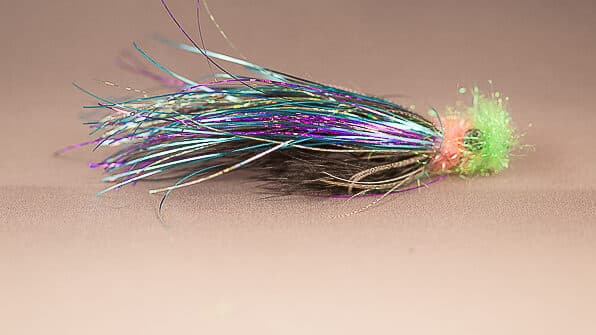
A bright pink and chartreuse head over a leech body on a #2 to #4 3XL streamer hook, 'one of the most reliable Midwest swung fly patterns' and exceptional in cold winter water when steelhead are lethargic. Swing it slow and deep on a Skagit head and sink tip from November through the spring on the Muskegon, Manistee and U.P. rivers.
Swinging flies (spey / switch)
 Reference photo
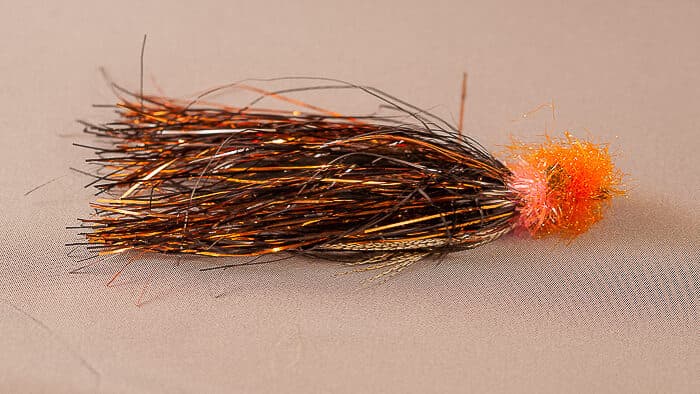
Black marabou and schlappen over peacock and orange Ice Dub with pink and copper Flashabou, on a 25 mm Senyo shank with a trailer or a Daiichi 2461. Originating on the Muskegon, it is 'great through fall' when steelhead have switched from lake alewife to river shiners and respond to flash. Swing it from October through December.
Swinging flies (spey / switch)
 Reference photo
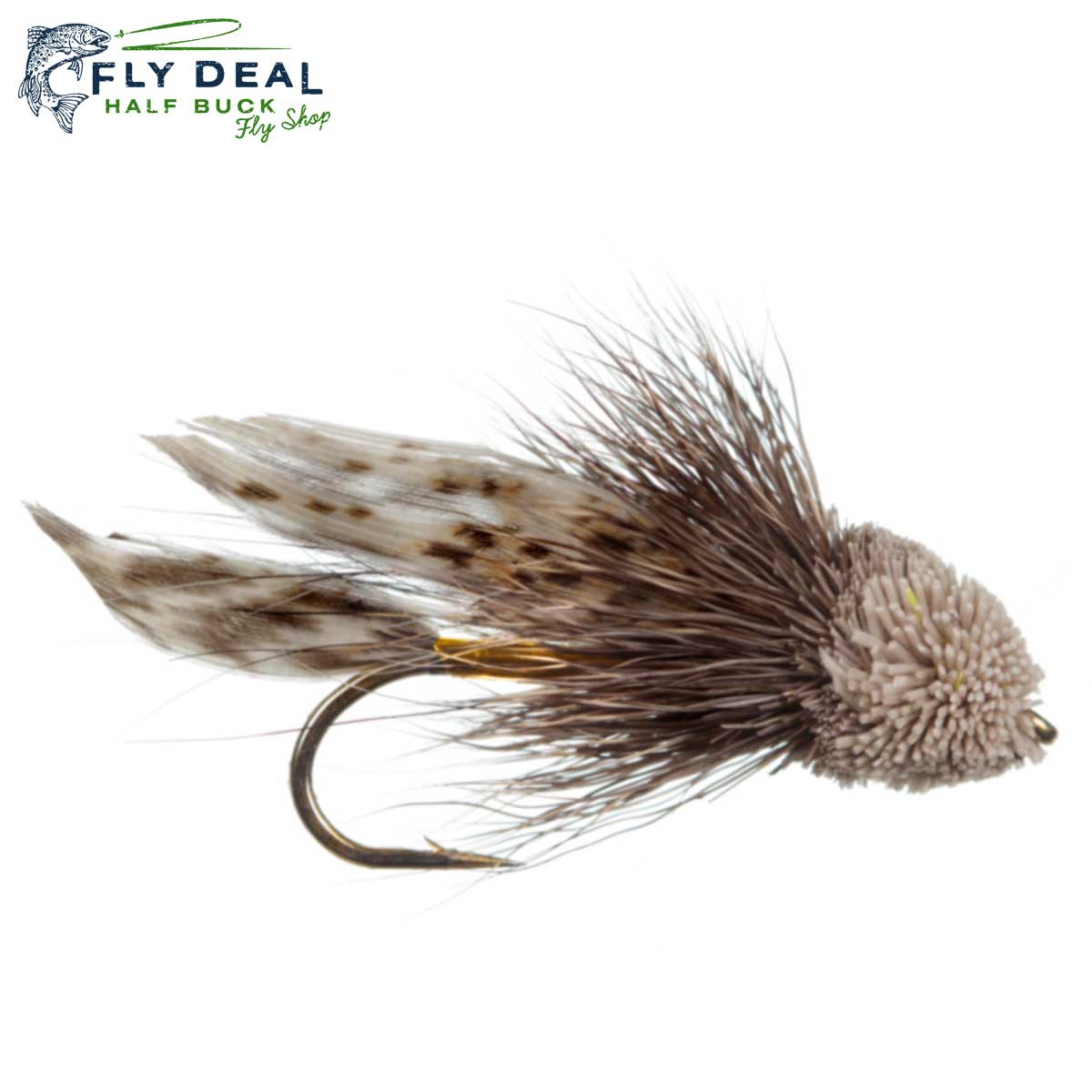
The deer-hair-head sculpin archetype that every Michigan articulated streamer descends from. Slimy and mottled sculpins are the most available forage in Michigan trout streams (about 90 percent of prey in the Anna River), so a #4 to #8 Muddler fished dead-drift and stripped along the bottom works year-round; small Muddlers #8 to #12 serve brook trout, and a weighted #8 takes pink salmon.
Streamers · Swinging flies (spey / switch)
 Reference photo
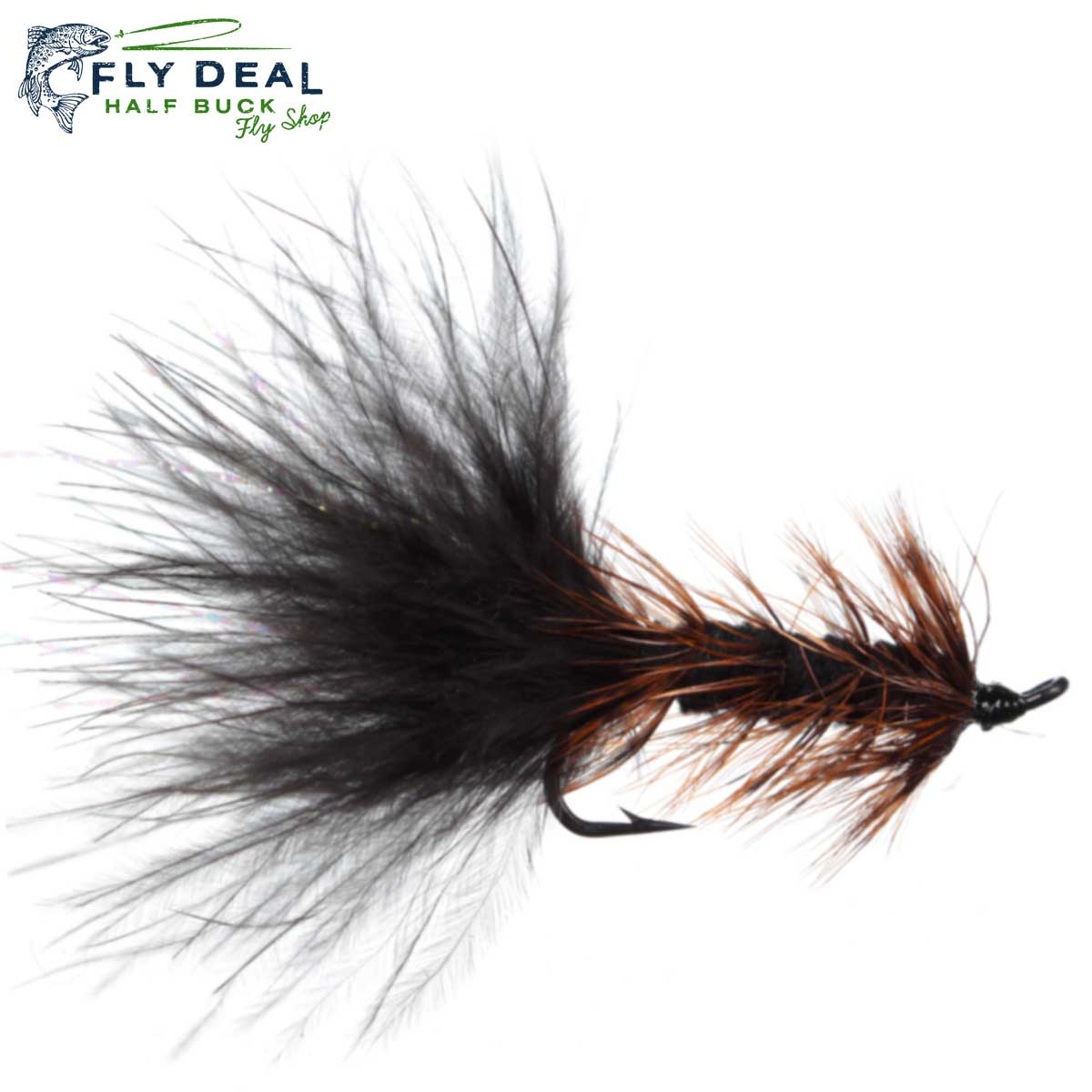
Current Works' Steelhead Bugger #6 sits in its Michigan top five, and U.P. guides run a beadhead Woolly Bugger #8 in black or green in the nymph rig. Dead-drift it as the point fly with an egg trailing, or swing it through tailouts; it covers leeches, sculpins and crayfish at once.
Indicator nymphing · Chuck and duck · Swinging flies (spey / switch)
 Reference photo
The most-cited Michigan salmon fly: black, olive and purple buggers for Chinook and coho, 'essential' on the Pere Marquette, swung or dead-drifted into staged fish from September through October, especially in off-color water. A #8 beadhead in black, olive or pink is the standard pink salmon fly on the St. Marys and Carp in September, and #8 to #12 buggers serve brook trout and small browns all season. Downsize and slow down for trout, upsize and add a hot head for salmon.
Streamers · Swinging flies (spey / switch) · Indicator nymphing · Chuck and duck
 Reference photo
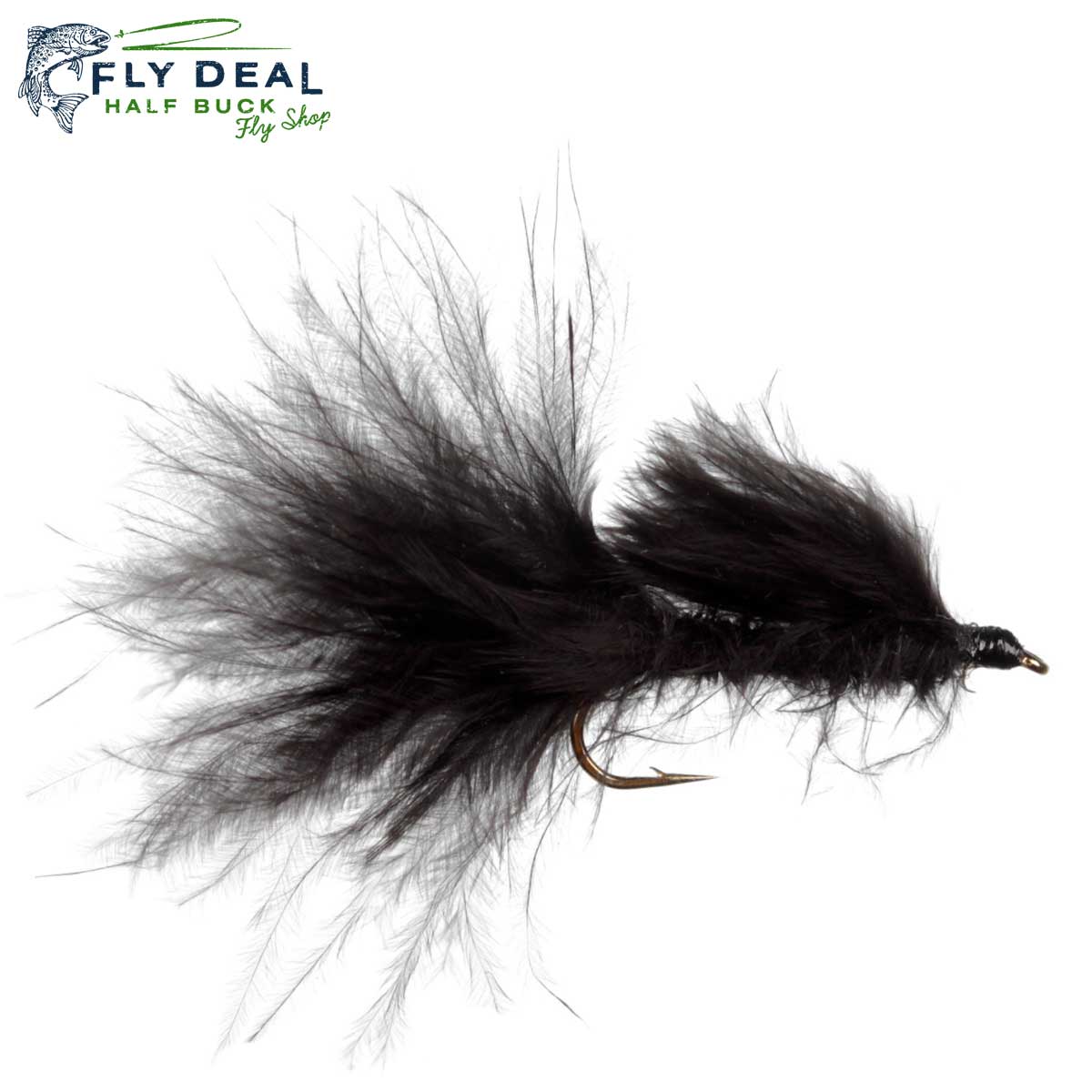
Current Works reaches for black leeches (String Leech, Silvey's Tail Light, Miles Davis, Larimer's Reverse Marabou) in high, dirty water, when a dark silhouette shows better than any natural color. Betsie salmon anglers use dark leeches with flash dead-drifted or swung. Fish it during spring runoff and after fall rains.
Swinging flies (spey / switch) · Chuck and duck · Streamers
 Reference photo
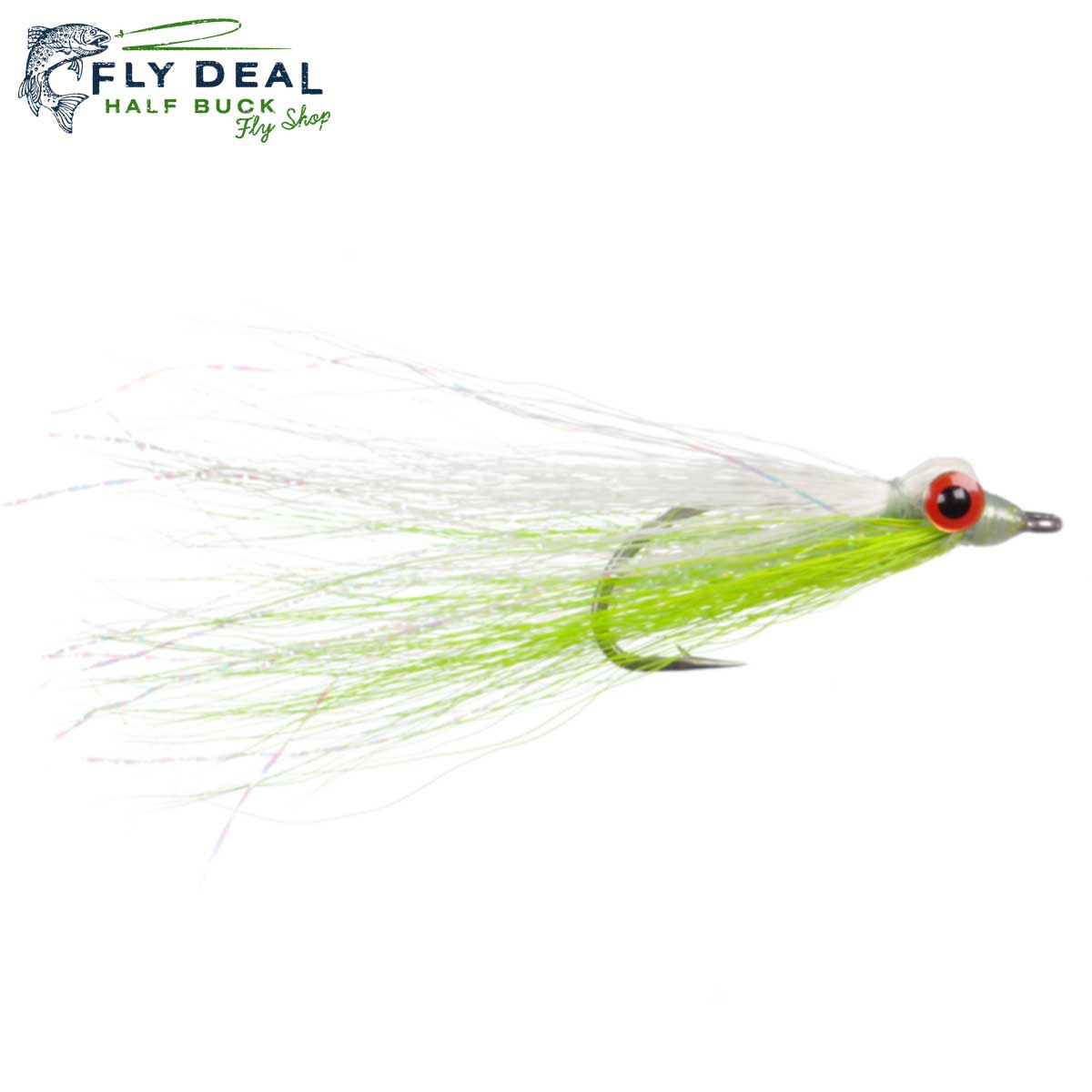
Current Works strips a Flashtail Clouser on sink tips for fresh Betsie and Manistee salmon, and chartreuse/white and pink Clousers are coho standards. In white and gray it doubles as a smelt or alewife imitation for St. Marys Atlantics in late June and July. Fish it with fast strips in the lowest holding water above the lake.
Streamers · Swinging flies (spey / switch)
 Reference photo
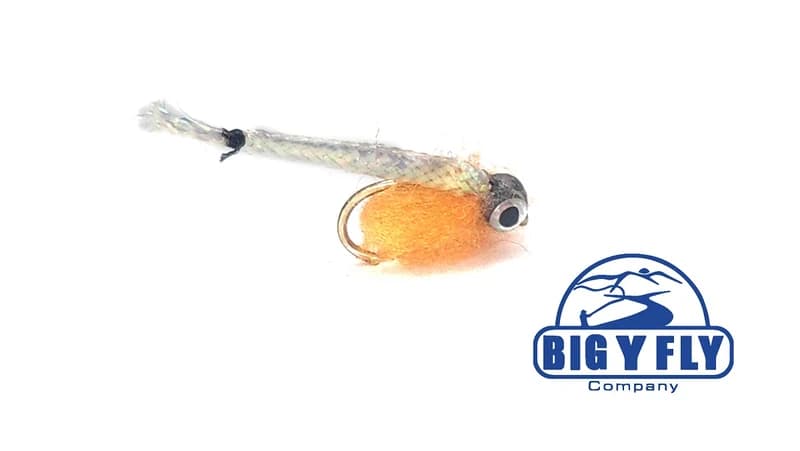
A yolk-sac fry imitation in Chuck Hawkins' spring Great Lakes top five, dead-drifted or swung when Chinook alevins emerge from the gravel in March and April; fish also take it as a caddis larva dislodged by spawning steelhead. Michigan TU notes alevin and smelt patterns are effective in spring on rivers with a prior fall salmon run.
Indicator nymphing · Swinging flies (spey / switch) · Streamers
 Reference photo
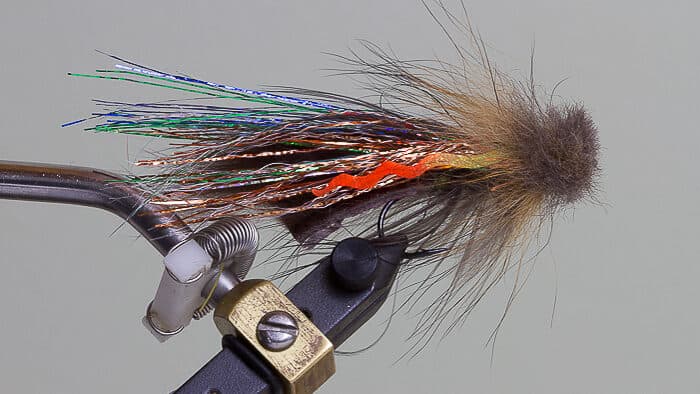
Feenstra's rabbit-strip and flash sculpin, sold by shops as the Aqua Nuisance: a size 1 or 1/0 fly that 'shines during the fall and spring months when fish are aggressive,' in low light and stained water, for steelhead, salmon and large trout. Feenstra fishes it fall through spring and rates it best in water over 38 F. Swing it on a heavy tip through the deep runs of the Muskegon and Big Manistee.
Swinging flies (spey / switch) · Streamers
 Reference photo
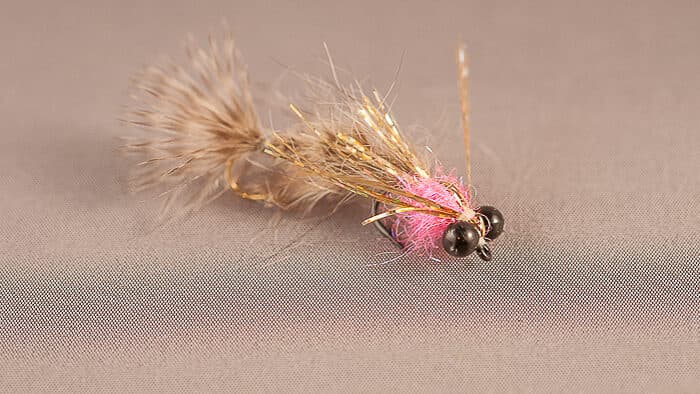
Feenstra's articulated egg-and-fry: a size 10 rear hook wound with white grizzly marabou, joined by mono to a size 6 egg hook that carries craft eyes, a possum collar, pearl flash fins and a pink Ice Dub thorax. It reads as an egg with a fry attached, which is what drifts below spawning gravel in spring and behind salmon redds in fall. Drift it under an indicator or swing it slow on the Muskegon, Manistee and PM.
Indicator nymphing · Swinging flies (spey / switch) · Chuck and duck
 Reference photo
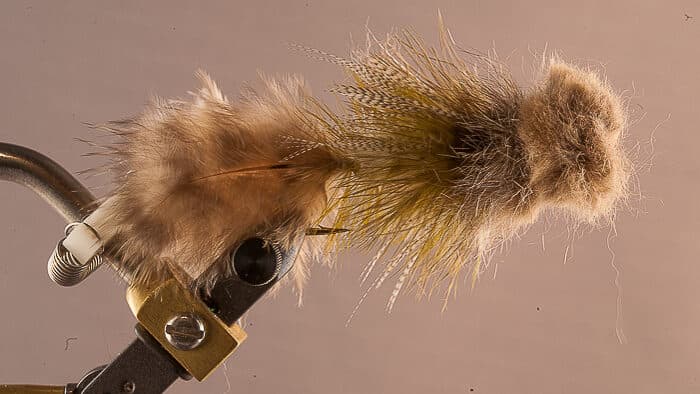
Kevin Feenstra's all-purpose sculpin: a grizzly marabou tail, an emu-feather body palmered with schlappen, mallard flank fins and a possum or wool head. Devised as a smallmouth fly, it became a favorite steelhead fly that Feenstra describes as working year-round for multiple species; swing it on a sink tip in the Muskegon and Manistee.
Swinging flies (spey / switch) · Streamers
 Reference photo
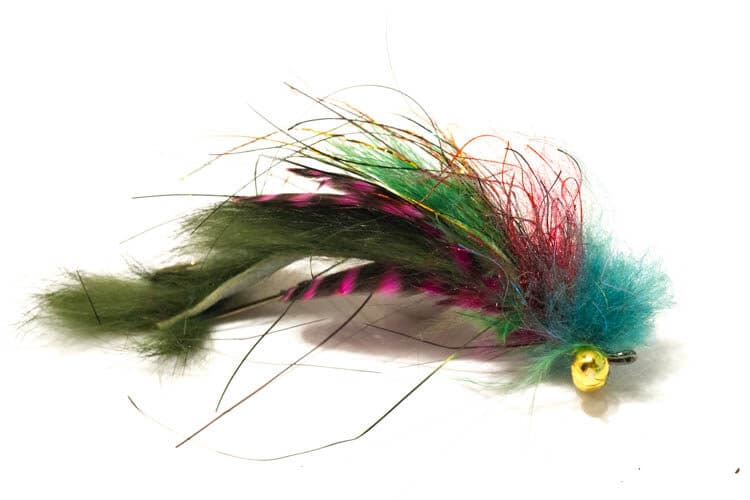
Feenstra's winter sculpin: purple grizzly hen, dark olive marabou, merlot and avocado Flashabou, a possum and moss-blue dubbing head. His reasoning is that sculpins take on the colour of the river bottom, and in late winter the Muskegon's bottom moss runs brown-olive to blue-green, so the fish key on olive with a purple cast. Swing it, or slow-strip and swing it for winter browns; tie it on a hook rather than a shank if you mean to strip it.
Swinging flies (spey / switch) · Streamers
 Reference photo
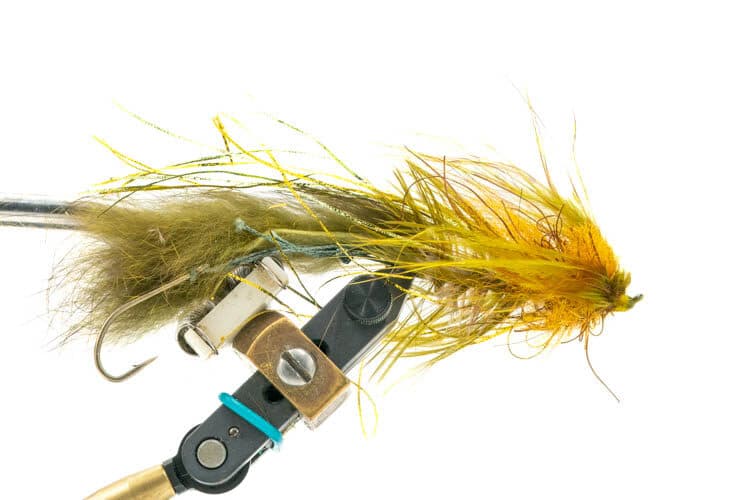
Kevin Feenstra's shank-tied sculpin, the fly he says is most often in his box: a rabbit or pine squirrel tail, an emu-feather body palmered with schlappen, Fire Tye flash, a bulky Kraken dubbing head and a marabou veil, with the trailing hook on a braid loop. Swing it with the strip free of the hook, or pierce the strip with the hook to strip it, for steelhead and large browns on the Muskegon, Manistee and Grand.
Swinging flies (spey / switch) · Streamers
Shank or tube-tied swing flies of two to four inches, fished Intruder-style #2 to #4 by U.P. steelhead guides and #4 to 1/0 for Great Lakes salmon in chartreuse, red, orange, black and blue. Pink and orange or black and blue for steelhead aggression in fall and high water; swing on a Skagit setup with 12 to 14 ft rods.
Swinging flies (spey / switch)
 Reference photo
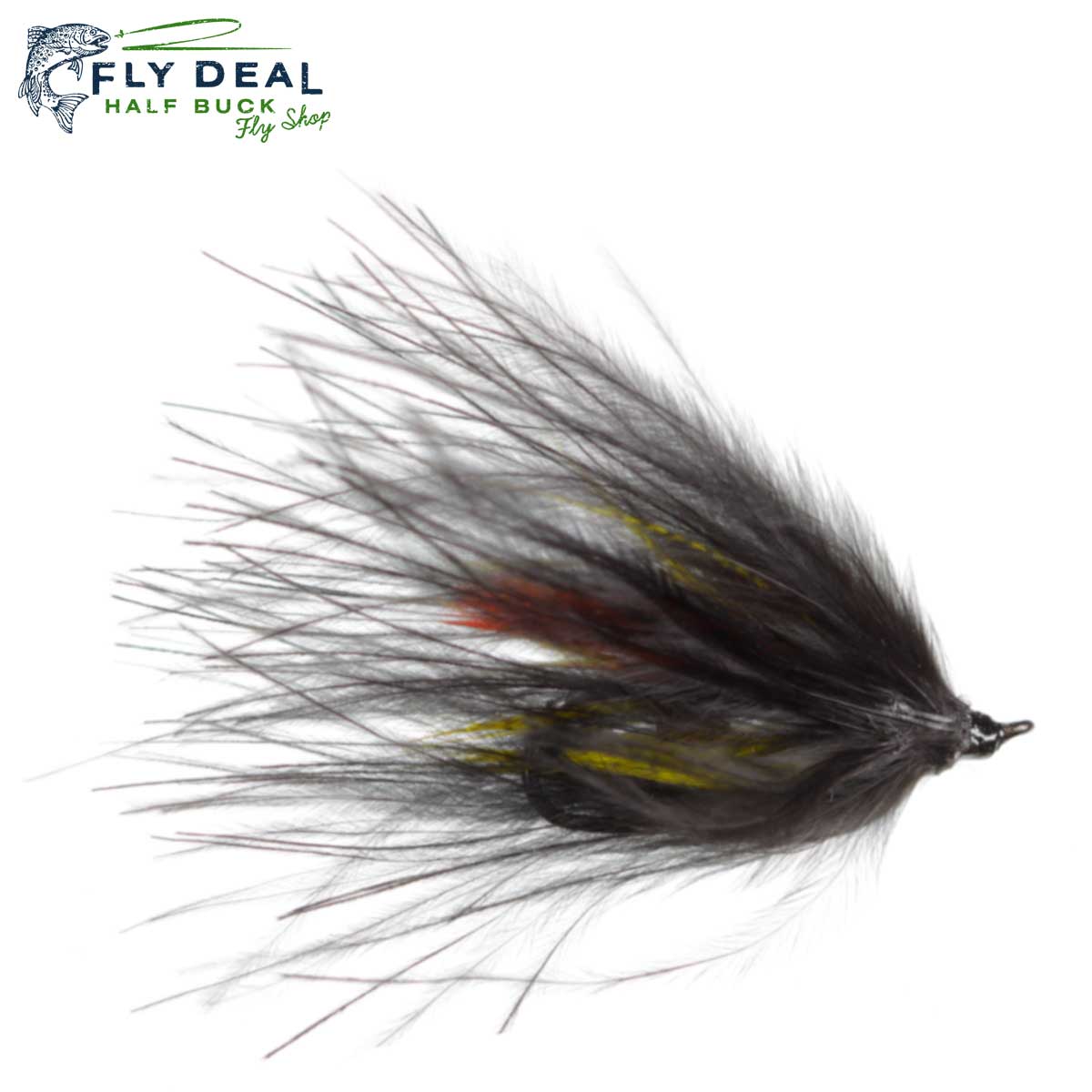
Soft-flowing marabou speys in flame orange or chartreuse are a Great Lakes steelhead swing standard, 'Spey Buggers' appear in U.P. swing boxes, and Perfect Fly lists Spey flies among St. Marys Atlantic salmon patterns. Swing them broadside on a floating or light tip from fall through spring; darker shades for clear water, bright for stain.
Swinging flies (spey / switch)
 Reference photo
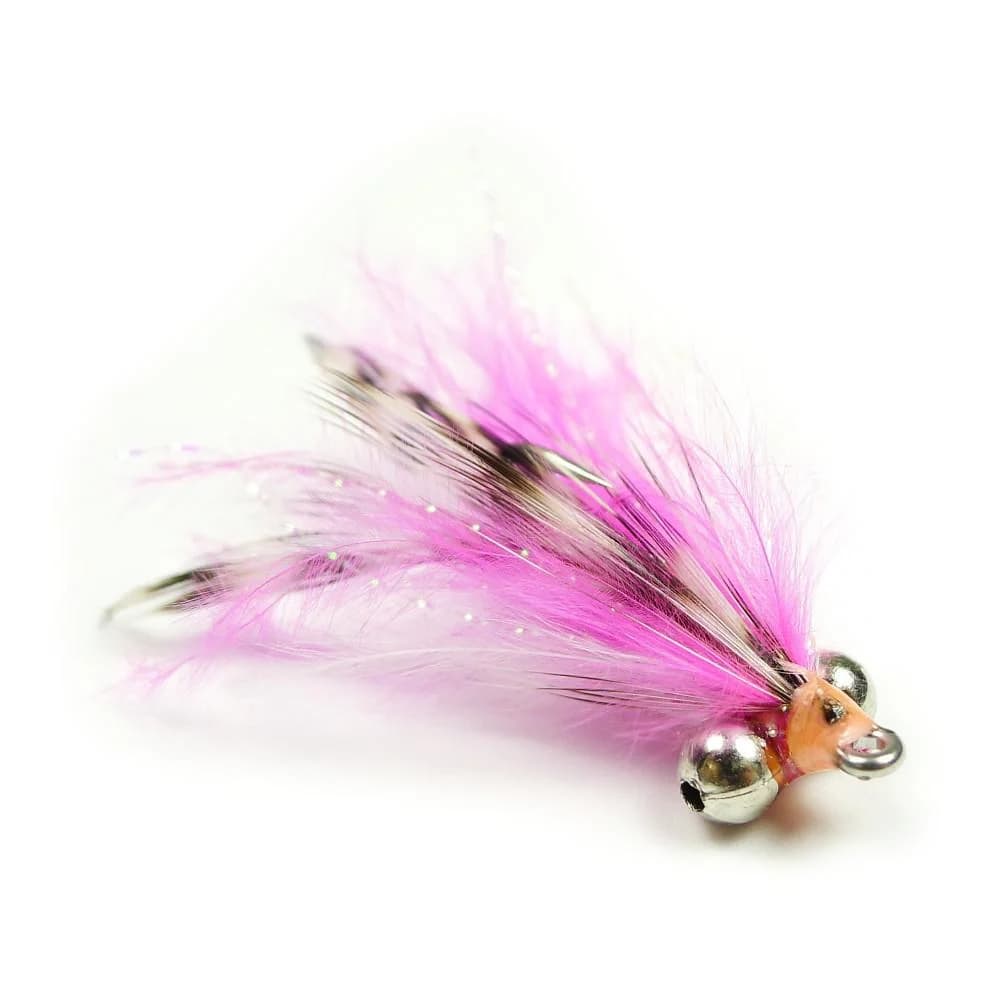
Pink salmon favor small bright pink or chartreuse beadhead flies with ample flash, so scale everything down: #10 to #14 nymphs and small eggs. Fish them in the St. Marys rapids, the Carp and the Chocolay from late August through early October, heaviest in odd years, in clear water; switch to bright eggs in faster water.
Indicator nymphing · Euro / tight-line nymphing · Swinging flies (spey / switch)
 Reference photo
Betts reports large trout and steelhead 'feeding heavily on Chinook salmon fry along the shoreline' of the Muskegon from March into June, when salmon fry, steelhead fry and sucker fry are the bulk of the trout diet. Feenstra adds that sucker fry have a purplish hue, so lavender and pink tones work. Strip or swing a #8 to #12 fry along shallow edges.
Streamers · Indicator nymphing · Swinging flies (spey / switch)
 Reference photo
Perfect Fly lists wet flies among St. Marys Atlantic salmon patterns, and Atlantics feed on caddis and midges from mid July through August. A swung soft hackle covers emerging caddis pupae and Sulphurs on any Michigan river; swing it down and across in riffles at dusk, or hang it below a dry.
Swinging flies (spey / switch) · Dry fly · Indicator nymphing
 Reference photo
Atlantic salmon arrive in the St. Marys tailrace in late June eating smelt and juvenile salmonids, and 'stripping large baitfish imitation patterns on sink tips can provide for some exciting strikes' until the Hex hatch in mid July switches them to insects. A three to five inch white and silver baitfish also takes lower Au Sable Atlantics below Foote Dam on streamers through the winter.
Streamers · Swinging flies (spey / switch)
 Reference photo
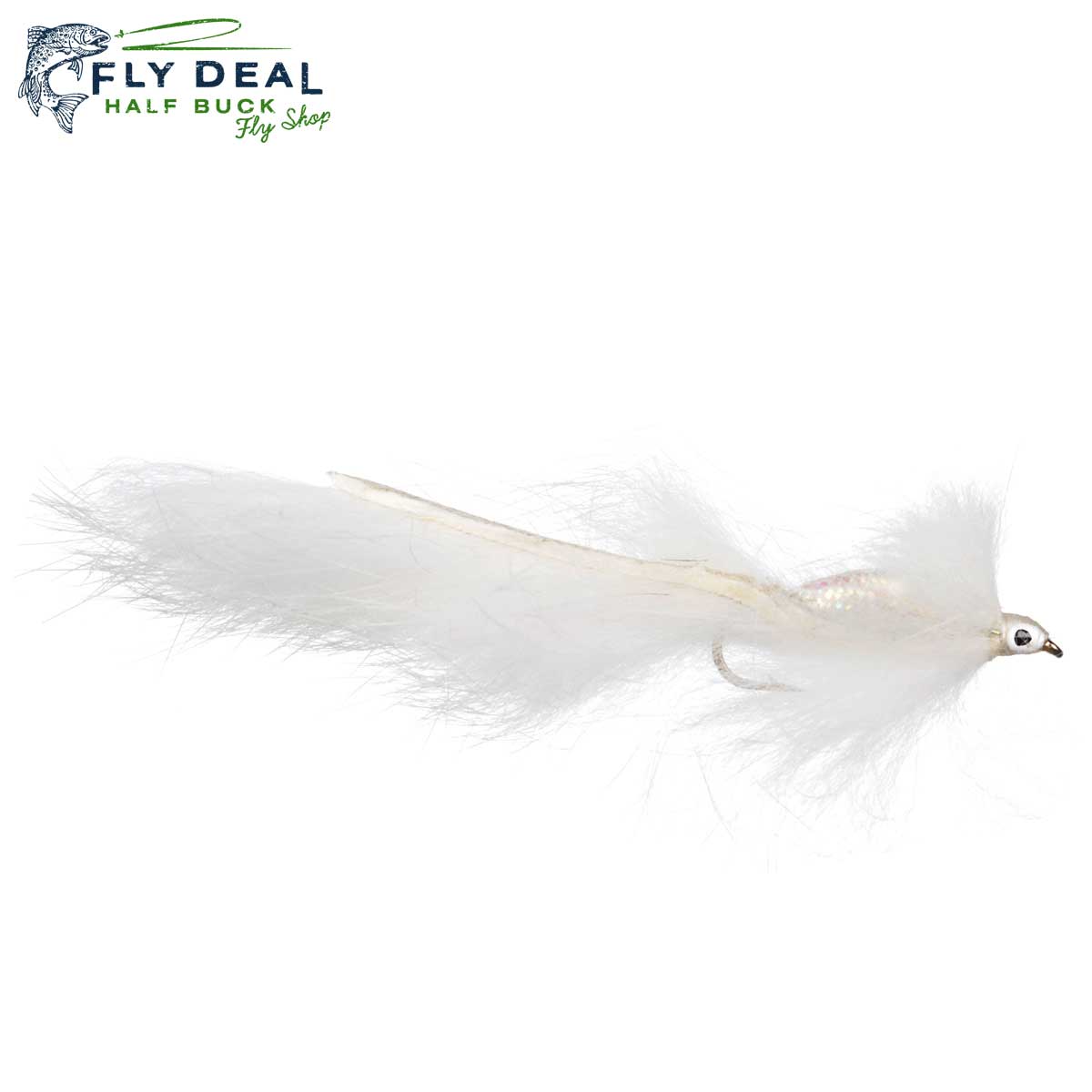
U.P. steelhead guides add white Zonkers and White Deaths #8 to the spring rig when smelt and shiners are in the lower rivers. Dead-drift it under an indicator or swing it through runs from April into June on Lake Superior tributaries and the St. Marys.
Streamers · Swinging flies (spey / switch) · Indicator nymphing
 Reference photo
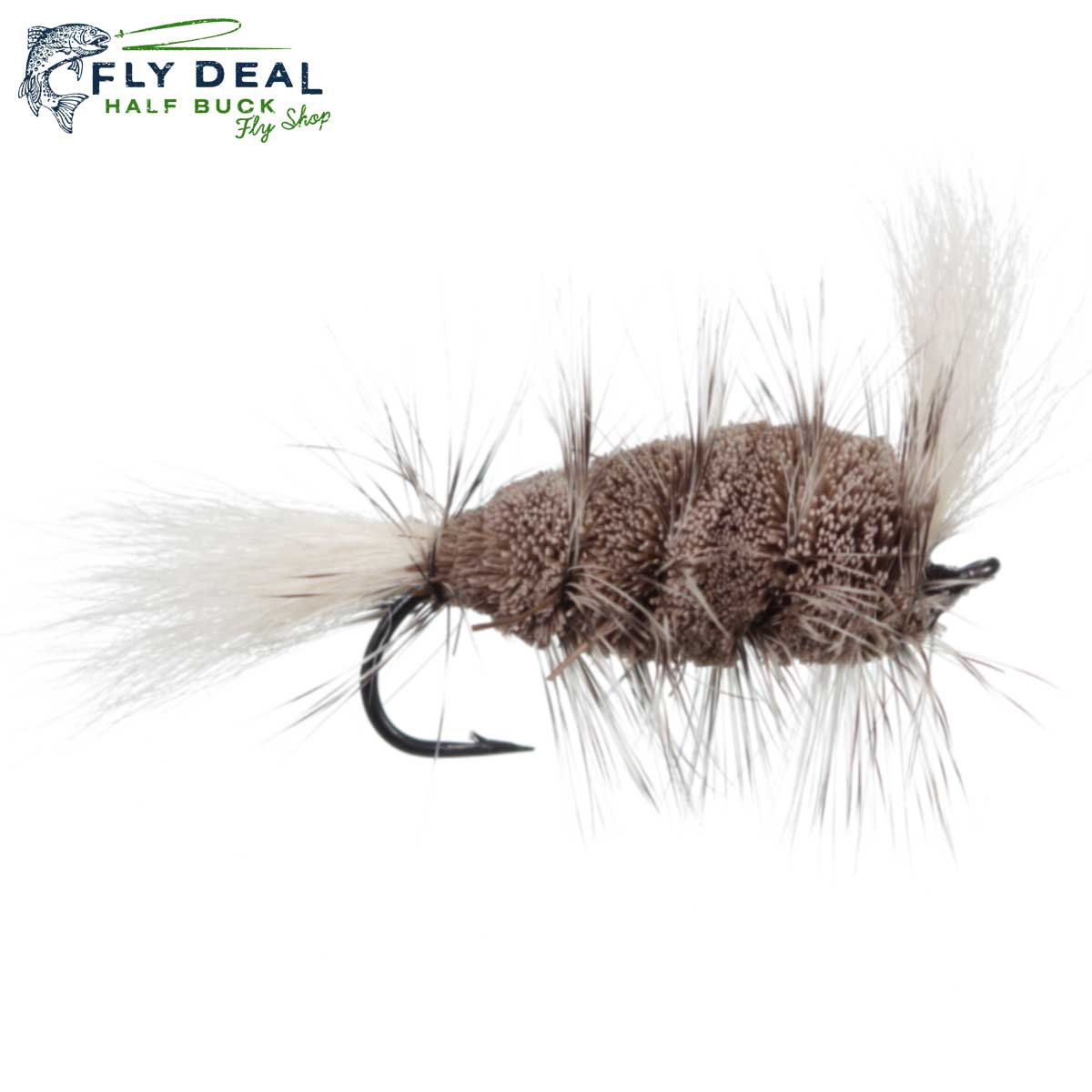
A cigar-shaped deer-hair dry that is skated or dead-drifted over holding Atlantic salmon. Generic to Atlantic salmon fishing and not named by any Michigan source for the St. Marys; a niche option for warm, low water in late summer.
Dry fly · Swinging flies (spey / switch)
 Reference photo
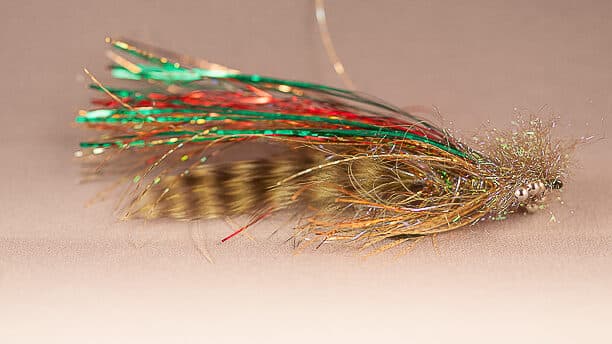
Feenstra's bright-day leech: a marabou tail, olive Ice Dub body palmered with schlappen, mallard collar, bead-chain eyes and a wing of holographic gold flash topped with red, gold and green. A very bright fly for a bright, sunny day; if an aggressive fish is in the run it will draw attention in the sunlight. Swing it on the Muskegon when the low winter sun is on the water.
Swinging flies (spey / switch) · Streamers
 Reference photo
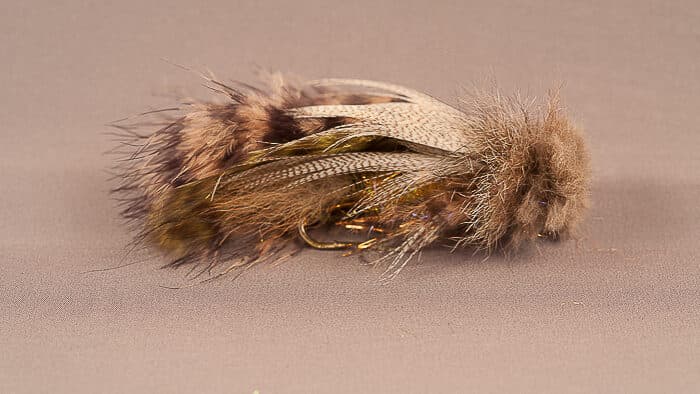
A layered swing fly from Feenstra's favorites: a peach or pink rabbit tail, polar chenille through peach Estaz, and a wing of mallard flank sandwiched with grizzly marabou. The mallard turns semi-transparent in the water and the fly wobbles like a baitfish. A big-water fly for the Muskegon and Manistee when steelhead are aggressive in spring and fall.
Swinging flies (spey / switch) · Streamers
 Reference photo
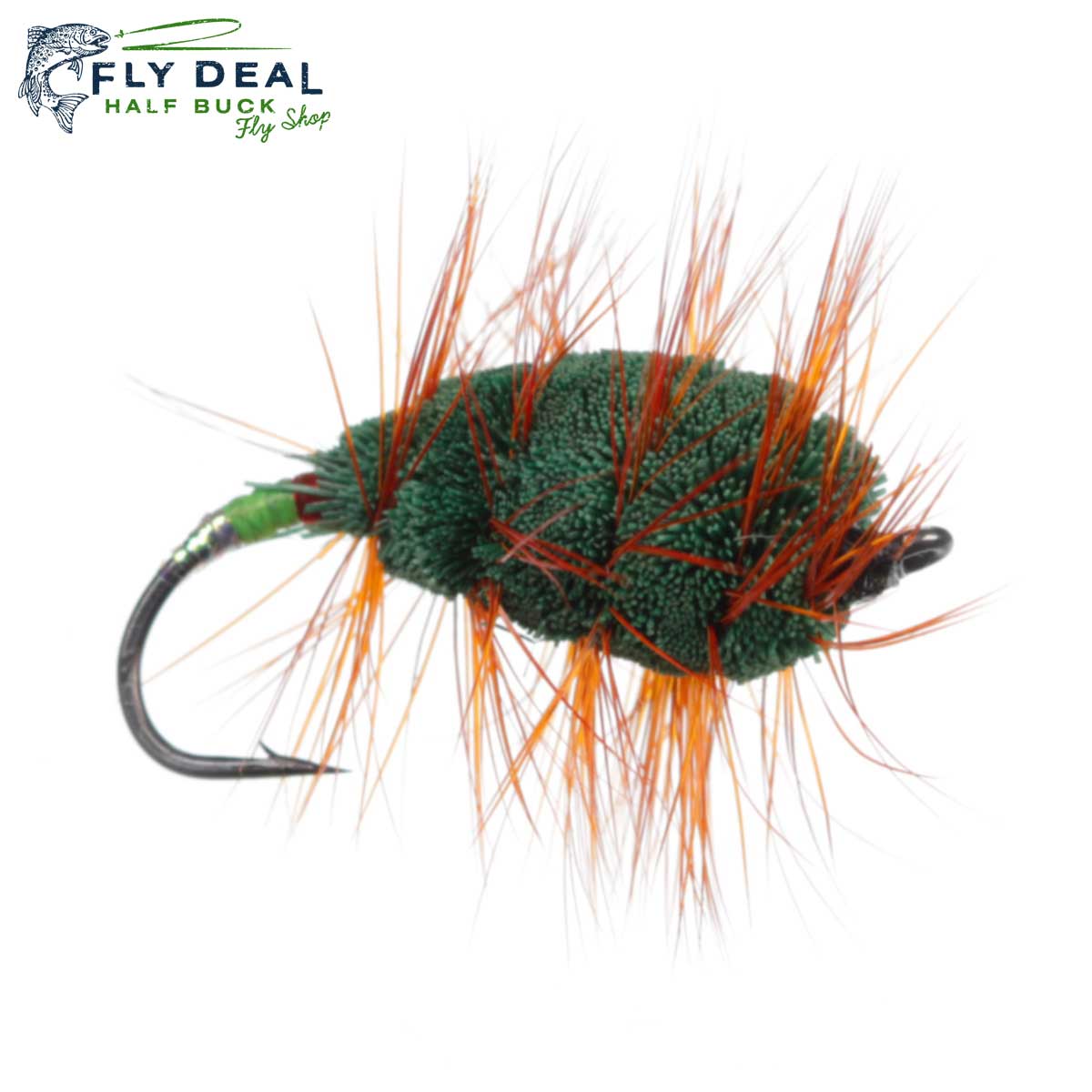
A classic eastern Canadian Atlantic salmon fly, swung or waked on the surface. Its use on the St. Marys is unverified; the notes found no Michigan source naming classic Atlantic patterns, so treat it as a generic option for July through October rapids fishing.
Swinging flies (spey / switch)