Fly patterns
136 patterns, each linked to what it imitates so the fly finder can put it in season. Filter by type, fish, or setup.
10 patterns
 Reference photo
A leech profile with an egg hot spot, recognized as one of the most effective flies on Great Lakes tributary steelhead streams and, per Current Works, less intrusive than most patterns for selective fish. Betts fishes it for Pere Marquette fall salmon, and Michigan coho anglers swing it through runs and tailouts. Dead-drift or swing black, purple or olive bodies with chartreuse, orange, red or pink heads from September through April; #8 versions take pink salmon.
Swinging flies (spey / switch) · Indicator nymphing · Chuck and duck · Streamers
 Reference photo
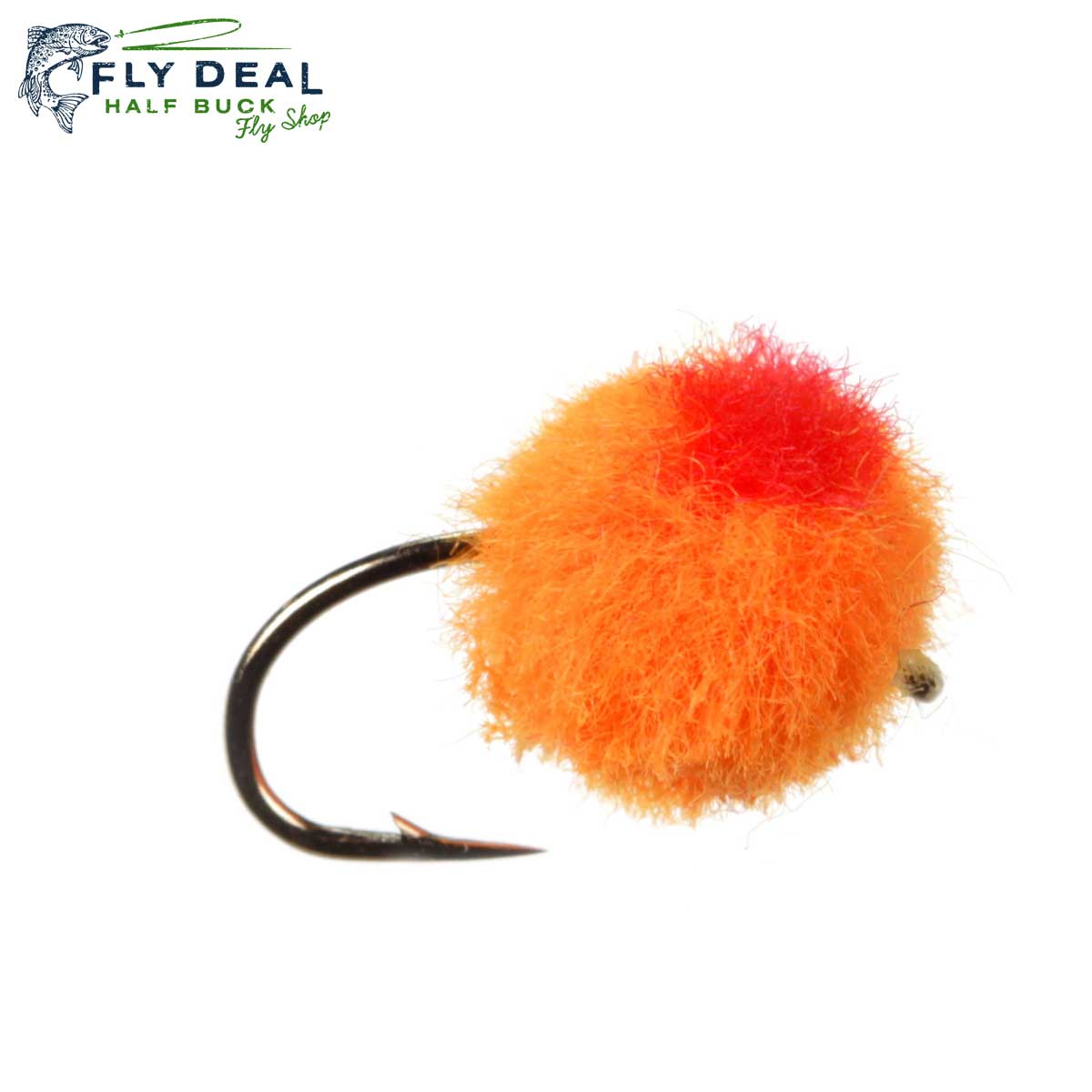
The original yarn egg, still in every Michigan steelhead box in Oregon Cheese, Golden and Chartreuse per Current Works, with a #12 short-shank scud hook the all-around Pere Marquette size and #14 to #16 for low clear water. For salmon, Trails to Trout advises blue, black and chartreuse pre-spawn and red, pink and orange during the spawn, in #6 to #8. Cream and pale yellow versions carry through the winter and the April to May sucker spawn.
Indicator nymphing · Chuck and duck · Euro / tight-line nymphing
 Reference photo
The generalist buggy nymph for Michigan's clinger mayflies and caddis pupae, and MidCurrent lists a #10 to #14 Hare's Ear among winter steelhead nymphs. Dead-drift it under an indicator all season for trout, and as a trailer behind an egg or stonefly for steelhead.
Indicator nymphing · Euro / tight-line nymphing
 Reference photo
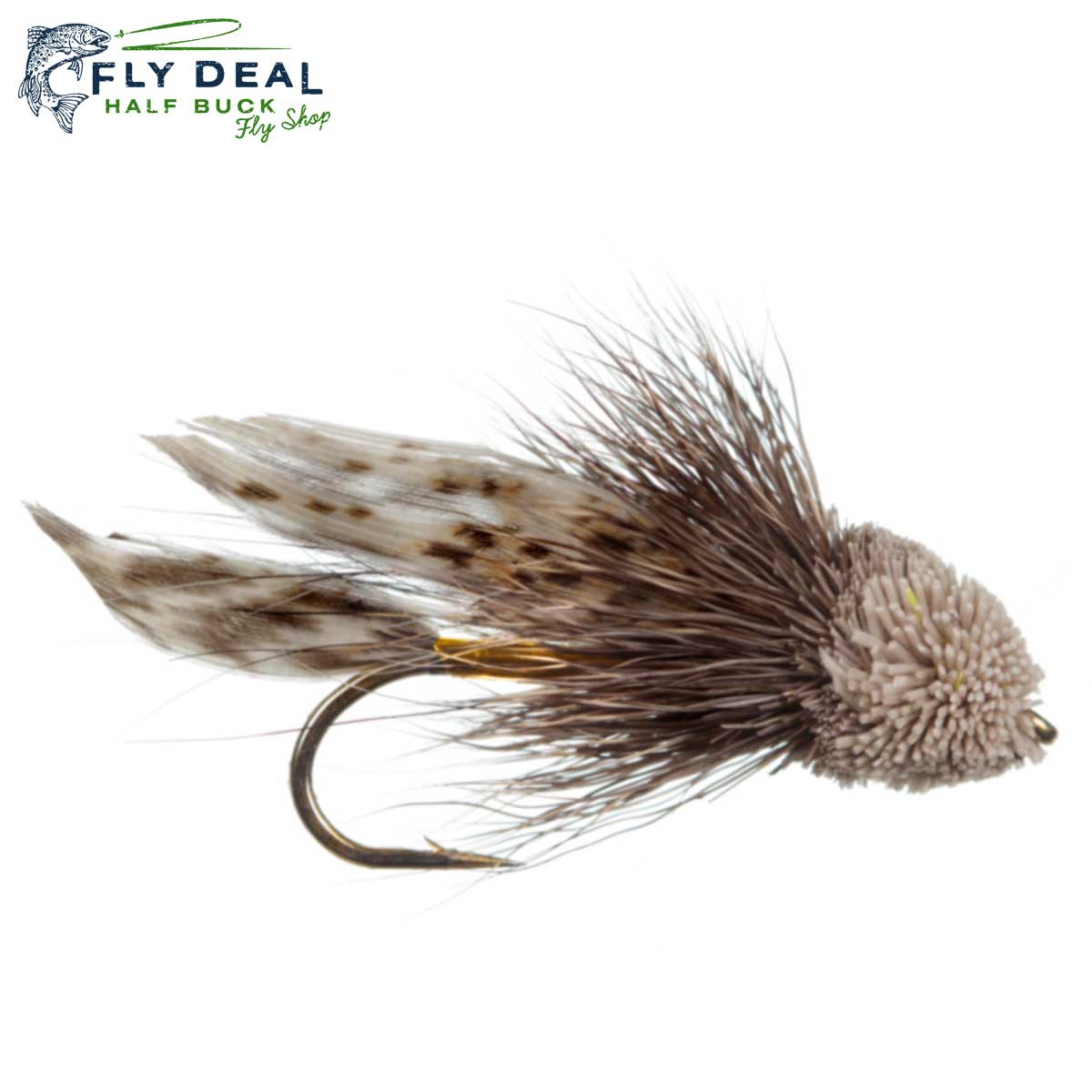
The deer-hair-head sculpin archetype that every Michigan articulated streamer descends from. Slimy and mottled sculpins are the most available forage in Michigan trout streams (about 90 percent of prey in the Anna River), so a #4 to #8 Muddler fished dead-drift and stripped along the bottom works year-round; small Muddlers #8 to #12 serve brook trout, and a weighted #8 takes pink salmon.
Streamers · Swinging flies (spey / switch)
 Reference photo
A McFly Foam or Glo Bug yarn core under a yarn veil that goes translucent when wet, imitating the milky, non-viable eggs that make up most of the drift. Tied on a Gamakatsu C14S or TMC 2457 #8 to #12 (TMC 105 #6 to #10 for salmon); natural combinations for clear water, Chartreuse over Flame and Flame over Cerise for high or stained flows. Fish it behind spawning salmon from September through November, with aging-egg colors through winter, and natural steelhead-egg shades in March and April on the Manistee, Betsie, PM, Muskegon and Au Sable.
Indicator nymphing · Chuck and duck · Euro / tight-line nymphing
 Reference photo
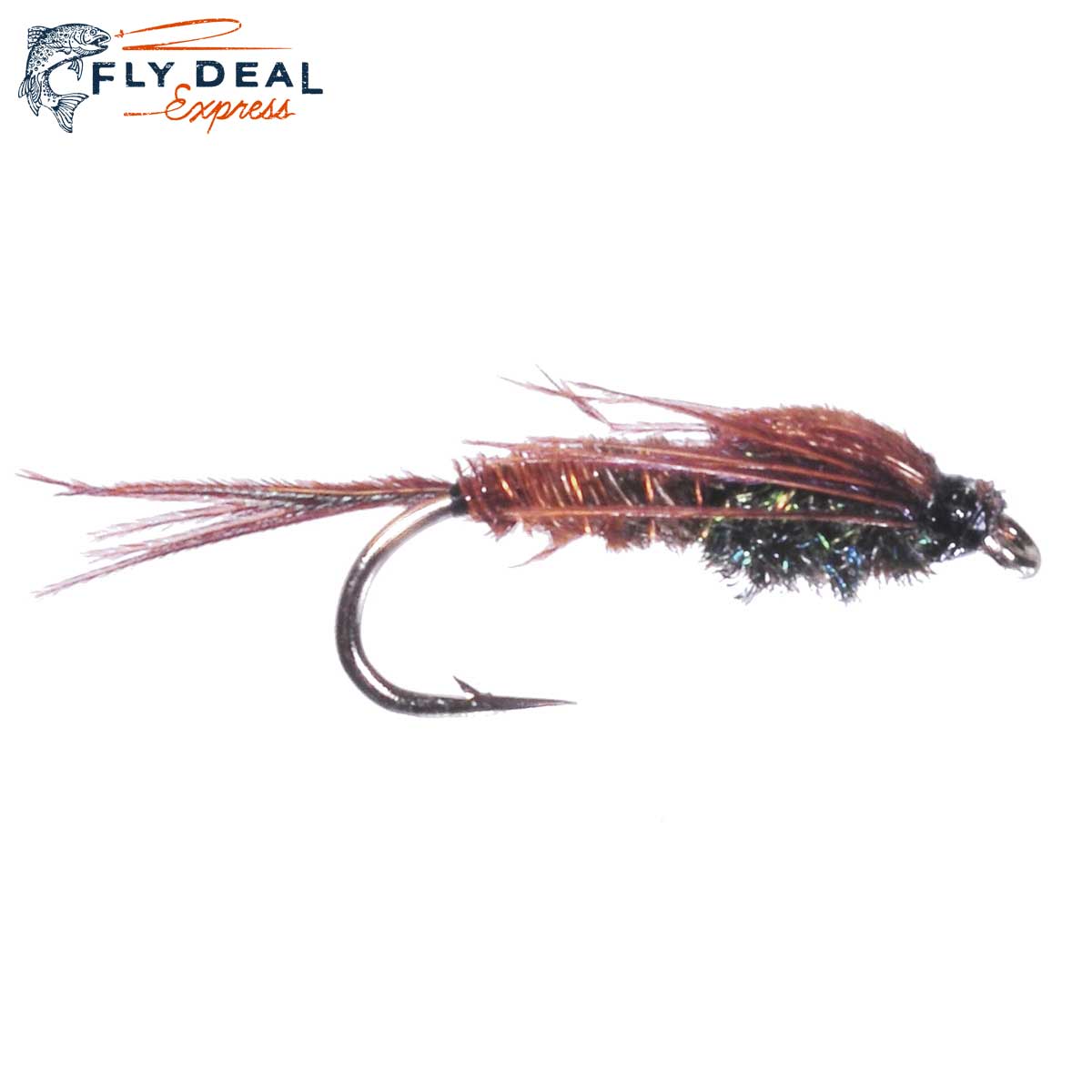
Old Au Sable Fly Shop names a #12 to #14 Pheasant Tail as the Hendrickson nymph, and it covers every Michigan Ephemerella and Baetis nymph before and during a hatch. A beadhead #10 is a standard trailer fly in U.P. steelhead rigs, and #12 to #20 versions take pink salmon in clear water. Fish it dead-drifted under an indicator or on a tight line in the weeks before each mayfly hatch.
Indicator nymphing · Euro / tight-line nymphing
 Reference photo
The most-cited Michigan salmon fly: black, olive and purple buggers for Chinook and coho, 'essential' on the Pere Marquette, swung or dead-drifted into staged fish from September through October, especially in off-color water. A #8 beadhead in black, olive or pink is the standard pink salmon fly on the St. Marys and Carp in September, and #8 to #12 buggers serve brook trout and small browns all season. Downsize and slow down for trout, upsize and add a hot head for salmon.
Streamers · Swinging flies (spey / switch) · Indicator nymphing · Chuck and duck
 Reference photo
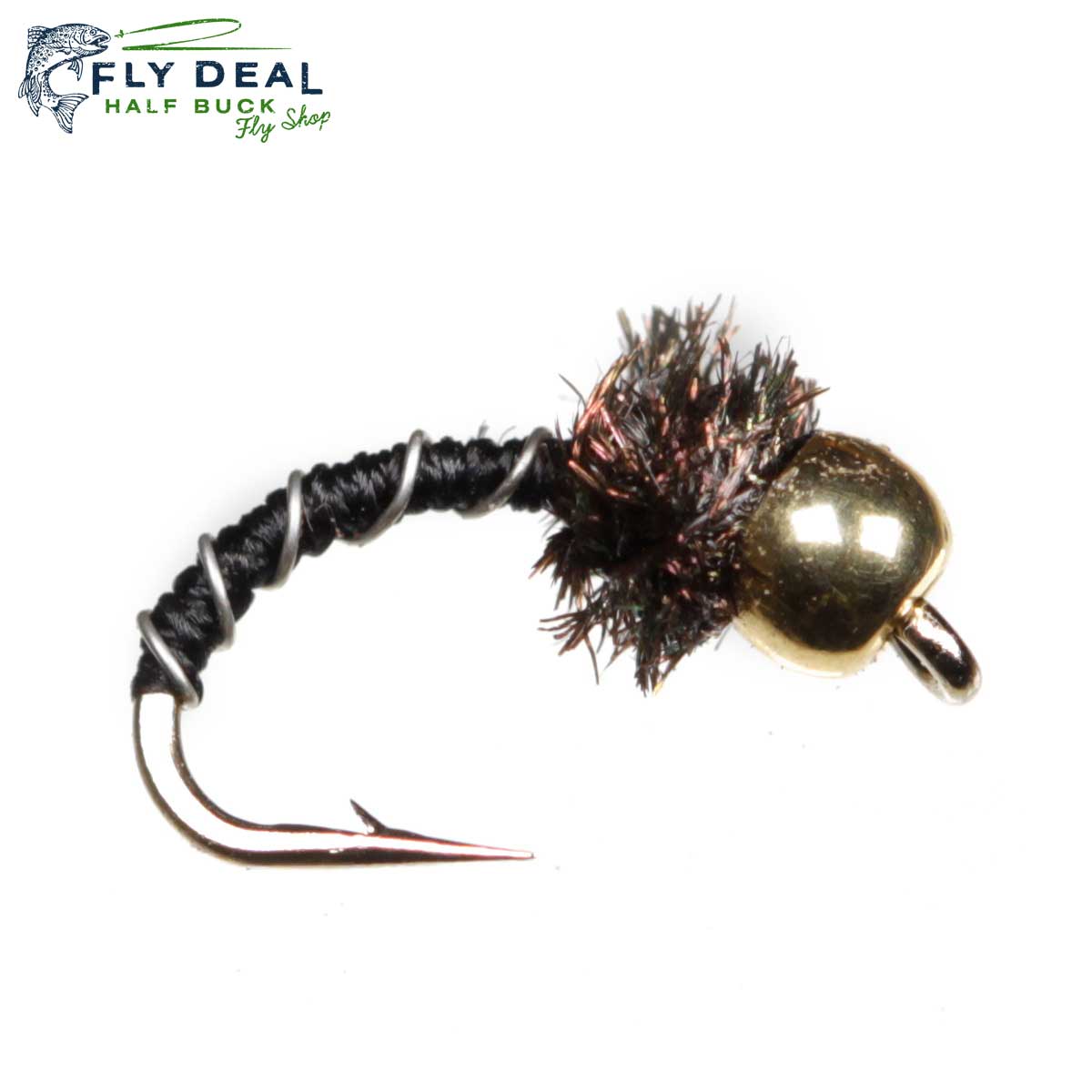
Black-bodied #20 to #24 midges are the main winter food on the Muskegon tailwater from November through April, with heavy hatches near springs on warm afternoons. Fish a Zebra Midge as a dropper under a small indicator or behind a scud; it also takes pink salmon in clear water and St. Marys Atlantics feeding on midges in late summer.
Indicator nymphing · Euro / tight-line nymphing
 Reference photo
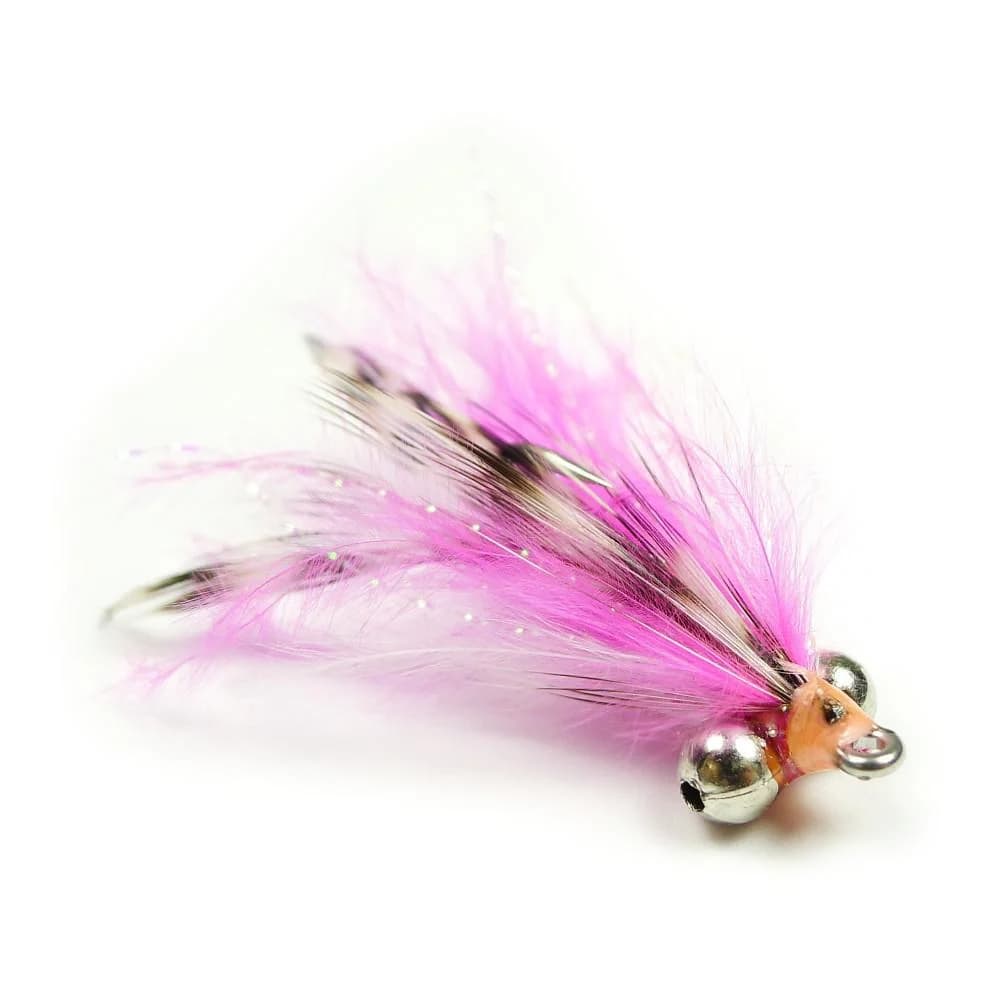
Pink salmon favor small bright pink or chartreuse beadhead flies with ample flash, so scale everything down: #10 to #14 nymphs and small eggs. Fish them in the St. Marys rapids, the Carp and the Chocolay from late August through early October, heaviest in odd years, in clear water; switch to bright eggs in faster water.
Indicator nymphing · Euro / tight-line nymphing · Swinging flies (spey / switch)
 Reference photo
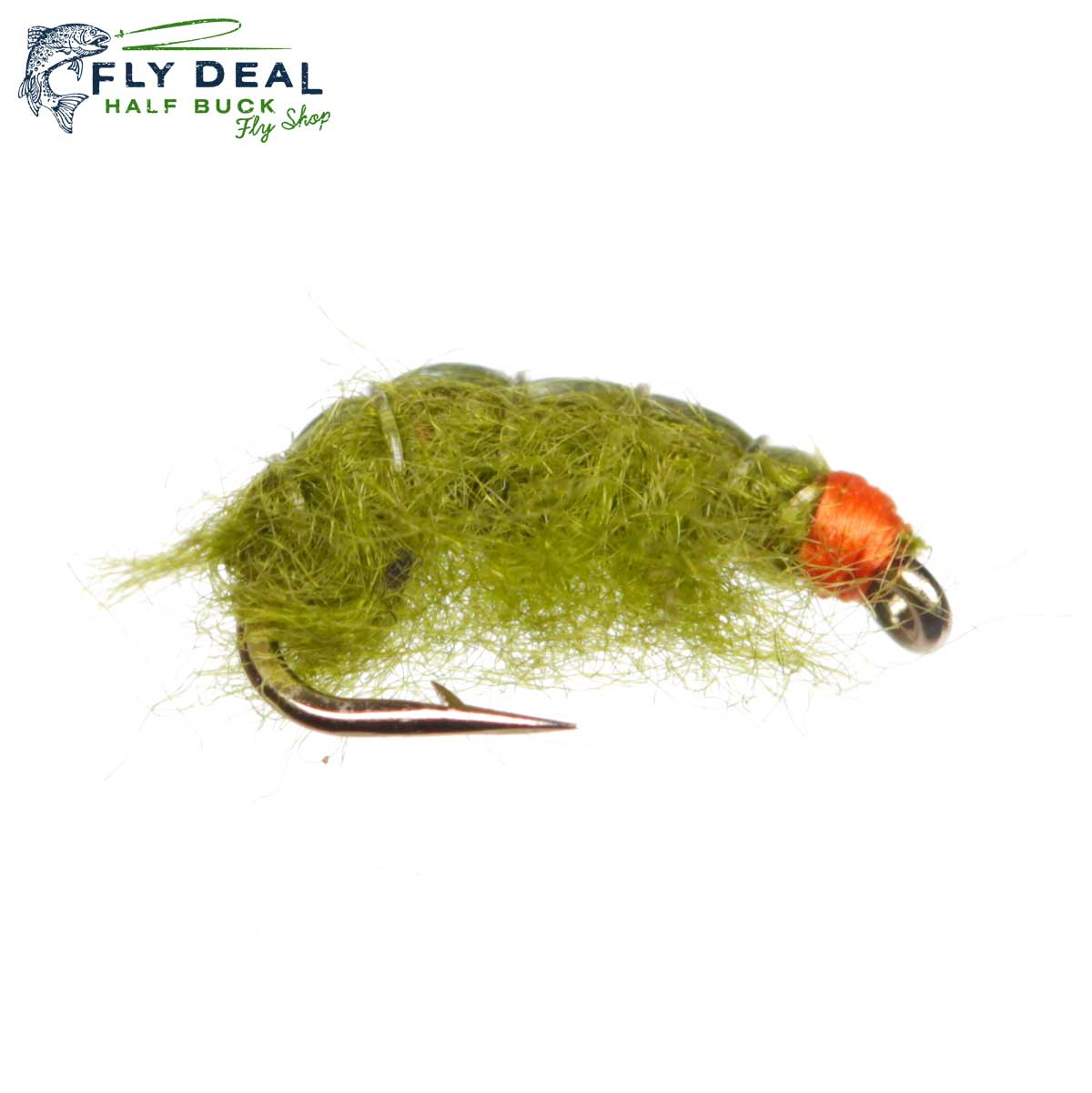
Scuds #18 are the Muskegon's January to April staple beside midges, and Current Works lists scuds and sowbugs first for the Big Manistee below Tippy Dam. Supinski's winter steelhead list includes scuds. Fish an olive or gray scud dead-drift in weedy tailwater runs year-round, and orange for dead or molting scuds.
Indicator nymphing · Euro / tight-line nymphing