Rivers / Upper Peninsula
Two Hearted River
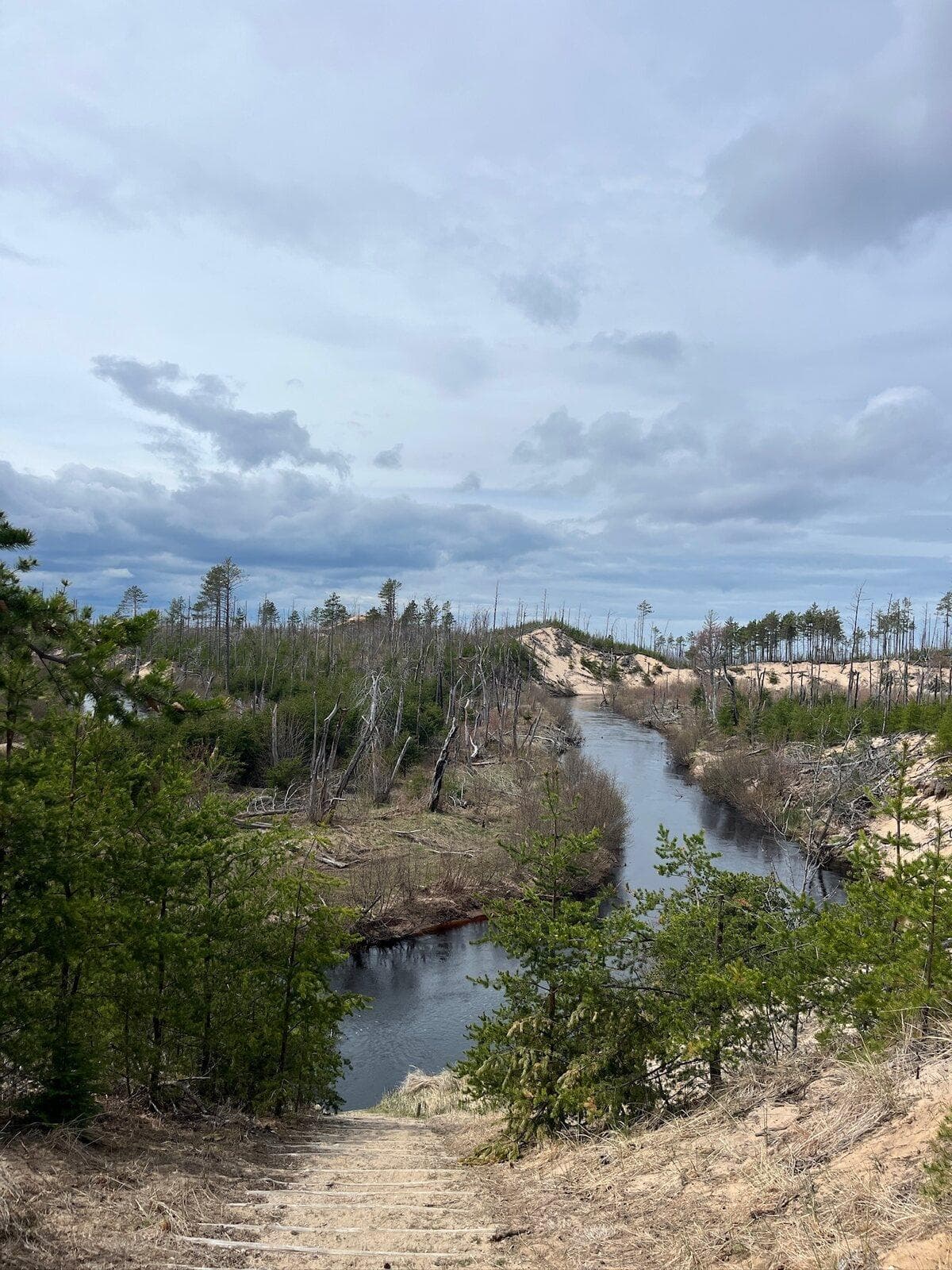
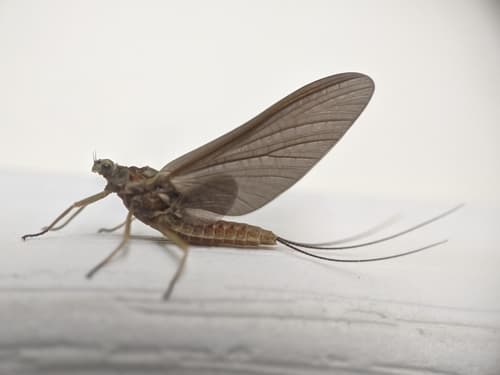
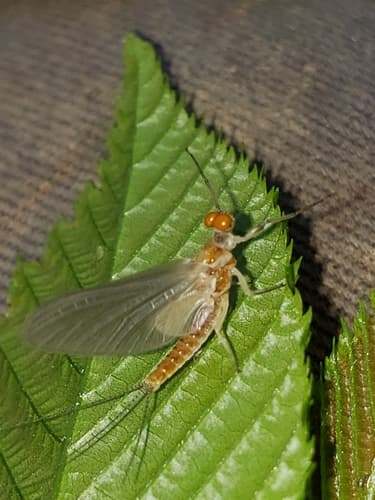
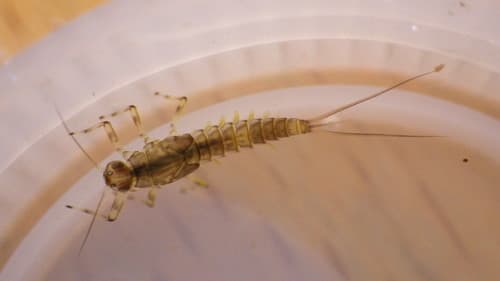
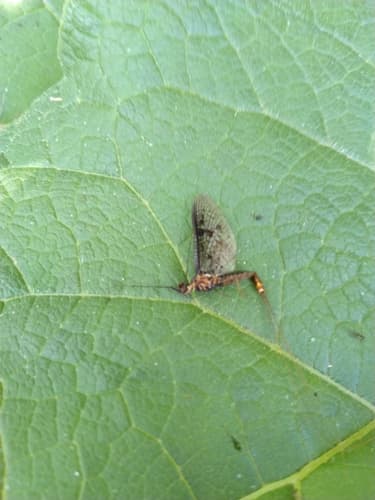
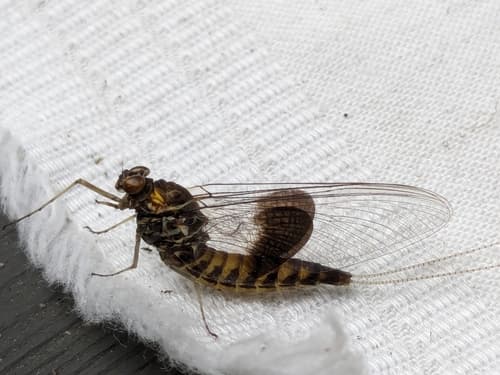
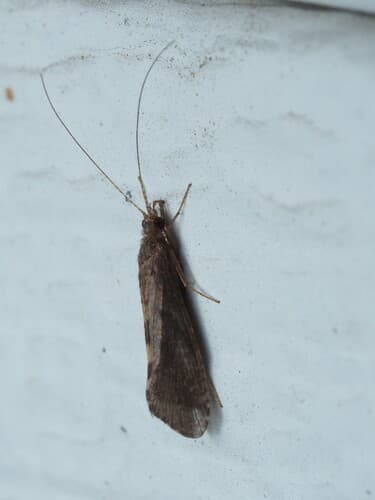
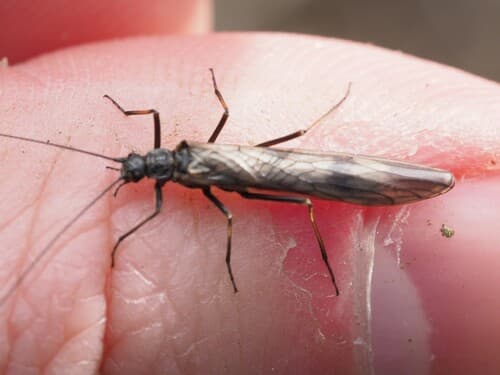
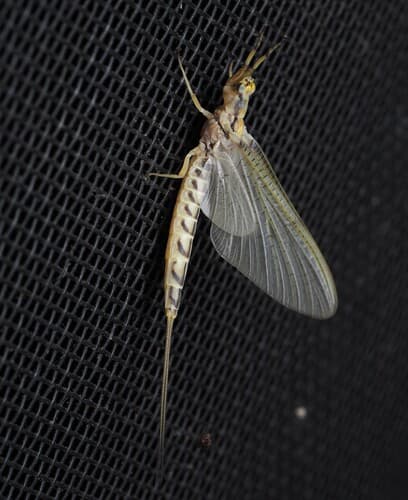
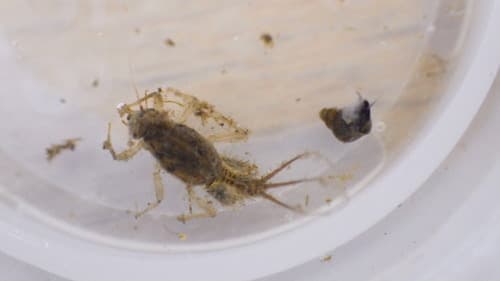
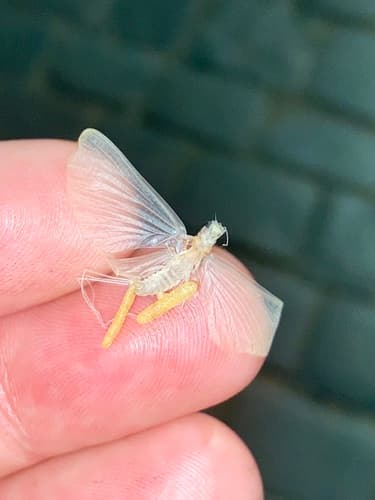
The premier eastern U.P. steelhead river and a Blue Ribbon brook trout stream (36 miles), with steelhead, Chinook, coho, pinks and stocked rainbows joining the brook trout, and a very healthy sculpin population. Fall Chinook and coho enter from the mouth at Lake Superior in September and October; the adjacent Blind Sucker River carries the same fall mix in the DNR's 1976 survey. Good hatches of Hendricksons, Sulphurs, BWOs, drakes, caddis and stoneflies; the Hex is limited and runs mid-July, two to three weeks behind the Au Sable. Spring steelhead peak mid-May, usually, later than most Michigan streams; fall fish peak in November.
Fish by month
- Brook trout
Dominant species; coaster presence possible but low.
- J
- F
- M
- A
- M
- J
- J
- A
- S
- O
- N
- D
- Origin
- wild
- Confidence
- A
- Steelhead
Spring peak early to mid-May, tail into late May; fall November; annual yearling stocking plus natural reproduction.
- J
- F
- M
- A
- M
- J
- J
- A
- S
- O
- N
- D
- Origin
- mixed
- Confidence
- B
- Rainbow trout (resident)
Stocked rainbows per DIY Fly Fishing.
- J
- F
- M
- A
- M
- J
- J
- A
- S
- O
- N
- D
- Origin
- stocked
- Confidence
- C
- Chinook salmon
Fall run from Lake Superior, late September into October. Confirmed by rod (multiple Chinook landed in the Two Hearted the last weekend of September 2026) and by the DNR's 1976 Blind Sucker River survey next door, which lists steelhead, Chinook and coho in the fall with salmon fishing good in October and November.
- J
- F
- M
- A
- M
- J
- J
- A
- S
- O
- N
- D
- Origin
- unknown
- Confidence
- B
- Coho salmon
Fall run September through November; the DNR's Blind Sucker River survey documents coho with Chinook and steelhead in October and November on the neighboring stream.
- J
- F
- M
- A
- M
- J
- J
- A
- S
- O
- N
- D
- Origin
- unknown
- Confidence
- B
- Pink salmon
Late August-September, odd years strongest. The DNR recorded a fall pink run in the adjacent Blind Sucker River in 1975.
- J
- F
- M
- A
- M
- J
- J
- A
- S
- O
- N
- D
- Origin
- wild
- Confidence
- B
| Species | Months | Origin | Confidence |
|---|---|---|---|
| Brook trout Dominant species; coaster presence possible but low. |
| wild | A |
| Steelhead Spring peak early to mid-May, tail into late May; fall November; annual yearling stocking plus natural reproduction. |
| mixed | B |
| Rainbow trout (resident) Stocked rainbows per DIY Fly Fishing. |
| stocked | C |
| Chinook salmon Fall run from Lake Superior, late September into October. Confirmed by rod (multiple Chinook landed in the Two Hearted the last weekend of September 2026) and by the DNR's 1976 Blind Sucker River survey next door, which lists steelhead, Chinook and coho in the fall with salmon fishing good in October and November. |
| unknown | B |
| Coho salmon Fall run September through November; the DNR's Blind Sucker River survey documents coho with Chinook and steelhead in October and November on the neighboring stream. |
| unknown | B |
| Pink salmon Late August-September, odd years strongest. The DNR recorded a fall pink run in the adjacent Blind Sucker River in 1975. |
| wild | B |
Hatching in December
Eggs in the drift
In December the drift carries brook trout, Chinook salmon and coho salmon eggs. Spawning follows water temperature rather than the hatch offset, so these months do not shift. The spawners have left, but eggs are still washing out of the redds. They go pale as they age, so rows marked Washing out list the pale colors.
- Brook trout eggsTie on Micro Spawn (6 to 8 mm yarn egg)
- J
- F
- M
- A
- M
- J
- J
- A
- S
- O
- N
- D
- December
- Drifting
- Colors to fish
- Oregon Cheese, Apricot, Peach
- Hooks
- #12–16
- Chinook salmon eggsTie on Nuke Egg, Glo Bug, Scrambled Eggs
- J
- F
- M
- A
- M
- J
- J
- A
- S
- O
- N
- D
- December
- Washing out
- Colors to fish
- Oregon Cheese, Apricot Supreme, Pink Lady, Cream/Dead Egg
- Hooks
- #6–10
- Coho salmon eggsTie on Nuke Egg, Glo Bug, Scrambled Eggs
- J
- F
- M
- A
- M
- J
- J
- A
- S
- O
- N
- D
- December
- Washing out
- Colors to fish
- Oregon Cheese, Apricot Supreme, Pink Lady, Cream/Dead Egg
- Hooks
- #6–12
- Steelhead eggsTie on Nuke Egg, Glo Bug, Sucker Spawn
- J
- F
- M
- A
- M
- J
- J
- A
- S
- O
- N
- D
- December
- Not drifting
- Colors to fish
- Apricot, Peach, Pale Yellow, Oregon Cheese, Light Pink
- Hooks
- #10–14
- Walleye eggsTie on Sucker Spawn, Y2K Egg, Micro Spawn (6 to 8 mm yarn egg)
- J
- F
- M
- A
- M
- J
- J
- A
- S
- O
- N
- D
- December
- Not drifting
- Colors to fish
- Pale Yellow, Cream, Light Gold
- Hooks
- #12–16
- White and longnose sucker eggsTie on Glo Bug, Sucker Spawn, Scrambled Eggs
- J
- F
- M
- A
- M
- J
- J
- A
- S
- O
- N
- D
- December
- Not drifting
- Colors to fish
- Pale Yellow, Cream, Light Gold, Peach
- Hooks
- #12–16
- Redhorse sucker eggsTie on Sucker Spawn, Scrambled Eggs
- J
- F
- M
- A
- M
- J
- J
- A
- S
- O
- N
- D
- December
- Not drifting
- Colors to fish
- Pale Yellow, Light Gold, Cream
- Hooks
- #12–14
- J
- F
- M
- A
- M
- J
- J
- A
- S
- O
- N
- D
- December
- Not drifting
- Colors to fish
- Pink Lady, Shrimp Pink, Salmon Egg, Steelhead Orange
- Hooks
- #10–14
- Lake trout eggs
- J
- F
- M
- A
- M
- J
- J
- A
- S
- O
- N
- D
- December
- Not drifting
- Colors to fish
- Oregon Cheese, Pale Yellow, Apricot
- Hooks
- #10–12
| Egg source | Months | December | Colors to fish | Hooks |
|---|---|---|---|---|
Brook trout eggsTie on Micro Spawn (6 to 8 mm yarn egg) |
| Drifting | Oregon Cheese, Apricot, Peach | #12–16 |
Chinook salmon eggsTie on Nuke Egg, Glo Bug, Scrambled Eggs |
| Washing out | Oregon Cheese, Apricot Supreme, Pink Lady, Cream/Dead Egg | #6–10 |
Coho salmon eggsTie on Nuke Egg, Glo Bug, Scrambled Eggs |
| Washing out | Oregon Cheese, Apricot Supreme, Pink Lady, Cream/Dead Egg | #6–12 |
Steelhead eggsTie on Nuke Egg, Glo Bug, Sucker Spawn |
| Not drifting | Apricot, Peach, Pale Yellow, Oregon Cheese, Light Pink | #10–14 |
Walleye eggsTie on Sucker Spawn, Y2K Egg, Micro Spawn (6 to 8 mm yarn egg) |
| Not drifting | Pale Yellow, Cream, Light Gold | #12–16 |
White and longnose sucker eggsTie on Glo Bug, Sucker Spawn, Scrambled Eggs |
| Not drifting | Pale Yellow, Cream, Light Gold, Peach | #12–16 |
Redhorse sucker eggsTie on Sucker Spawn, Scrambled Eggs |
| Not drifting | Pale Yellow, Light Gold, Cream | #12–14 |
| Not drifting | Pink Lady, Shrimp Pink, Salmon Egg, Steelhead Orange | #10–14 | |
Lake trout eggs |
| Not drifting | Oregon Cheese, Pale Yellow, Apricot | #10–12 |
Signature hatches
From our trips
Our own photographs on this water, 2024 to 2026. Every fish shown took a fly we tied. Photographs: Jamison Sheppard.
DNR stocking
Michigan DNR Fish Stocking Database records since 1979 for Two Hearted River, Little Two Hearted River. 56 plants on record. Snapshot 2026-09-28. DNR “rainbow trout” of Michigan or Skamania strain are steelhead smolts. Open the DNR database.
Rainbow troutsteelhead strain
Michigan · since 1980
- 2020
- 15,990
- 2022
- 9,244
- 2023
- 9,250
- 2024
- 9,250
- 2025
- 8,800
- 2026
- 8,798
- Latest plant
- May 18, 2026Reed & Green Bridge · 7.7 in
| Species | 2020 | 2022 | 2023 | 2024 | 2025 | 2026 | Latest plant |
|---|---|---|---|---|---|---|---|
Rainbow troutsteelhead strain Michigan · since 1980 | 15,990 | 9,244 | 9,250 | 9,250 | 8,800 | 8,798 | May 18, 2026Reed & Green Bridge · 7.7 in |
Earlier plants, not stocked in the last five years
- Brook trout
- Years
- 1981–1985
- Fish planted
- 1,500
- Last plant
- May 30, 1985 · Little Two Hearted River
| Species | Years | Fish planted | Last plant |
|---|---|---|---|
| Brook trout | 1981–1985 | 1,500 | May 30, 1985 · Little Two Hearted River |
Recent plants, by date
- May 18, 2026 8,798 rainbow trout (Michigan) at Reed & Green Bridge7.7 in
- May 14, 2025 8,800 rainbow trout (Michigan) at Reed & Green Bridge6.3 inadipose clip
- Apr 24, 2024 9,250 rainbow trout (Michigan) at Reed & Green Bridge7.5 inadipose clip
- May 10, 2023 9,250 rainbow trout (Michigan) at Reed & Green Bridge6.5 inadipose clip
- May 19, 2022 9,244 rainbow trout (Michigan) at Reed & Green Bridge8.1 inadipose clip
Gear rules
Transcribed from the 2026 Michigan Fishing Regulations digest. Confirm with the DNR before fishing.
- Two Hearted River (Luce County)
- Tackle
- general
- Season
- Trout season
- Notes
- Trout stream Type not captured from the 2026 digest; fill from the DNR ArcGIS regulation-type layer.verify
| Reach | Tackle | Season | Notes |
|---|---|---|---|
| Two Hearted River (Luce County) | general | Trout season | Trout stream Type not captured from the 2026 digest; fill from the DNR ArcGIS regulation-type layer.verify |