Rivers / Northwest Lower Peninsula
Boardman River
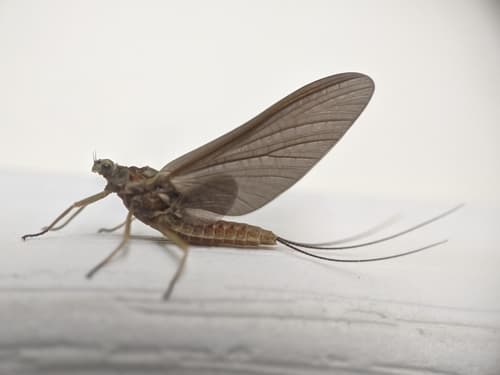
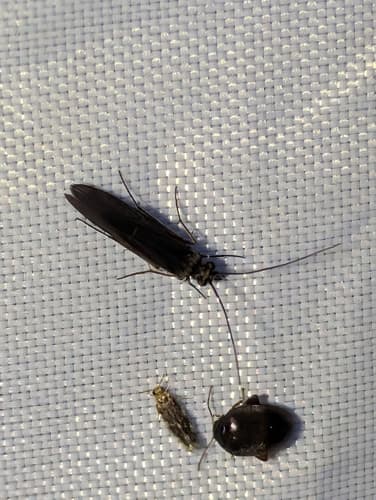
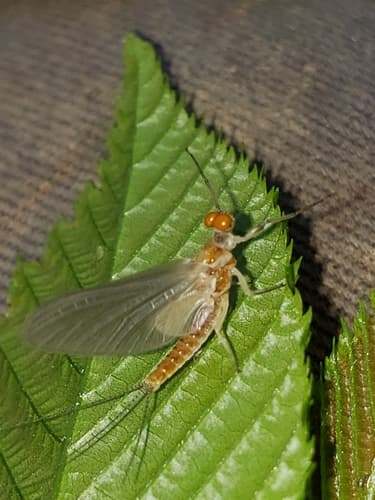
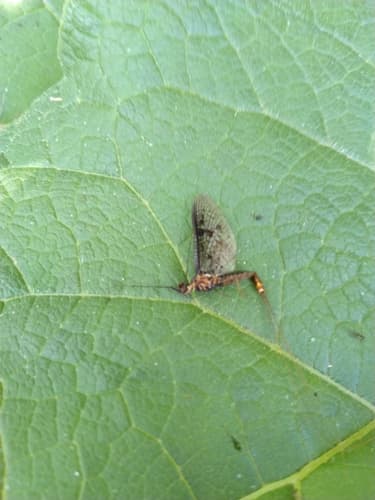
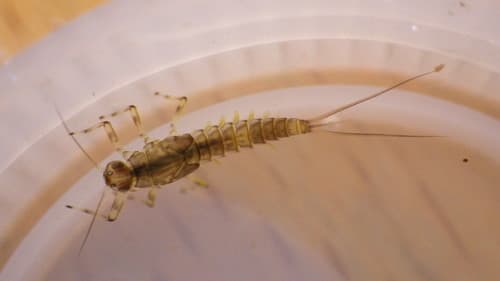
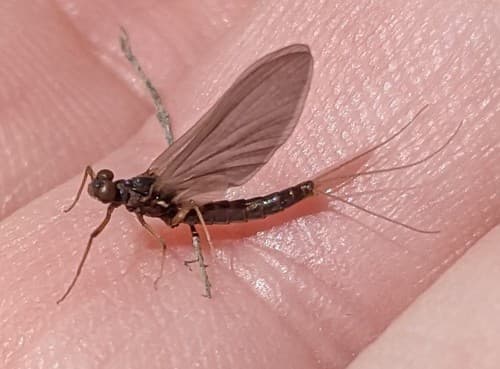
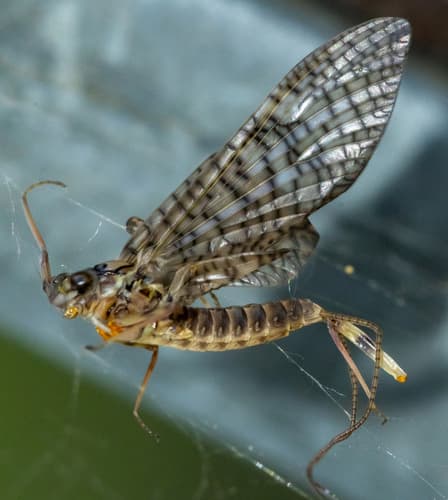
A relatively small freestone-type stream with wild brook and brown trout, birthplace of the Adams dry fly, described as cold and clear with lighter pressure. Brown Bridge (2012), Boardman (2017) and Sabin (2018) dams were removed and FishPass replaced the Union Street Dam in 2025, reconnecting over 160 miles. Hendricksons and black caddis in May, Sulphurs, Brown Drakes and Isonychia in June, Gray Drakes and Hex in late June and July, then terrestrials, Tricos and Baetis late July into August.
Fish by month
- Brook trout
Wild brook trout year-round; more numerous in headwaters.
- J
- F
- M
- A
- M
- J
- J
- A
- S
- O
- N
- D
- Origin
- wild
- Confidence
- A
- Brown trout
Wild browns plus DNR stocking as needed; lake-run browns passed above the weir October-November.
- J
- F
- M
- A
- M
- J
- J
- A
- S
- O
- N
- D
- Origin
- mixed
- Confidence
- A
- Steelhead
Passed above the weir; first spring fish early May per DIY.
- J
- F
- M
- A
- M
- J
- J
- A
- S
- O
- N
- D
- Origin
- stocked
- Confidence
- A
- Chinook salmon
Stocked annually since 1985; returning salmon harvested at the weir September-October.
- J
- F
- M
- A
- M
- J
- J
- A
- S
- O
- N
- D
- Origin
- stocked
- Confidence
- A
- Coho salmon
104,000 stocked in 2023.
- J
- F
- M
- A
- M
- J
- J
- A
- S
- O
- N
- D
- Origin
- stocked
- Confidence
- A
- Atlantic salmon
Atlantic salmon are among species passed above the weir; occasional.
- J
- F
- M
- A
- M
- J
- J
- A
- S
- O
- N
- D
- Origin
- stocked
- Confidence
- C
| Species | Months | Origin | Confidence |
|---|---|---|---|
| Brook trout Wild brook trout year-round; more numerous in headwaters. |
| wild | A |
| Brown trout Wild browns plus DNR stocking as needed; lake-run browns passed above the weir October-November. |
| mixed | A |
| Steelhead Passed above the weir; first spring fish early May per DIY. |
| stocked | A |
| Chinook salmon Stocked annually since 1985; returning salmon harvested at the weir September-October. |
| stocked | A |
| Coho salmon 104,000 stocked in 2023. |
| stocked | A |
| Atlantic salmon Atlantic salmon are among species passed above the weir; occasional. |
| stocked | C |
The DNR also plants fish here that this site does not model yet: arctic grayling (through 2025), lake sturgeon (through 2025). See the stocking record below.
Hatching in January
Eggs in the drift
In January the drift carries Chinook salmon and coho salmon eggs. Spawning follows water temperature rather than the hatch offset, so these months do not shift. The spawners have left, but eggs are still washing out of the redds. They go pale as they age, so rows marked Washing out list the pale colors.
- Chinook salmon eggsTie on Nuke Egg, Glo Bug, Scrambled Eggs
- J
- F
- M
- A
- M
- J
- J
- A
- S
- O
- N
- D
- January
- Washing out
- Colors to fish
- Oregon Cheese, Apricot Supreme, Pink Lady, Cream/Dead Egg
- Hooks
- #6–10
- Coho salmon eggsTie on Nuke Egg, Glo Bug, Scrambled Eggs
- J
- F
- M
- A
- M
- J
- J
- A
- S
- O
- N
- D
- January
- Washing out
- Colors to fish
- Oregon Cheese, Apricot Supreme, Pink Lady, Cream/Dead Egg
- Hooks
- #6–12
- Steelhead eggsTie on Nuke Egg, Glo Bug, Sucker Spawn
- J
- F
- M
- A
- M
- J
- J
- A
- S
- O
- N
- D
- January
- Not drifting
- Colors to fish
- Apricot, Peach, Pale Yellow, Oregon Cheese, Light Pink
- Hooks
- #10–14
- Walleye eggsTie on Sucker Spawn, Y2K Egg, Micro Spawn (6 to 8 mm yarn egg)
- J
- F
- M
- A
- M
- J
- J
- A
- S
- O
- N
- D
- January
- Not drifting
- Colors to fish
- Pale Yellow, Cream, Light Gold
- Hooks
- #12–16
- White and longnose sucker eggsTie on Glo Bug, Sucker Spawn, Scrambled Eggs
- J
- F
- M
- A
- M
- J
- J
- A
- S
- O
- N
- D
- January
- Not drifting
- Colors to fish
- Pale Yellow, Cream, Light Gold, Peach
- Hooks
- #12–16
- Redhorse sucker eggsTie on Sucker Spawn, Scrambled Eggs
- J
- F
- M
- A
- M
- J
- J
- A
- S
- O
- N
- D
- January
- Not drifting
- Colors to fish
- Pale Yellow, Light Gold, Cream
- Hooks
- #12–14
- Brown trout eggs (resident and lake-run)Tie on Nuke Egg, Glo Bug, Blood Dot Egg
- J
- F
- M
- A
- M
- J
- J
- A
- S
- O
- N
- D
- January
- Not drifting
- Colors to fish
- Steelhead Orange, Egg, Oregon Cheese
- Hooks
- #10–14
- Brook trout eggsTie on Micro Spawn (6 to 8 mm yarn egg)
- J
- F
- M
- A
- M
- J
- J
- A
- S
- O
- N
- D
- January
- Not drifting
- Colors to fish
- Oregon Cheese, Apricot, Peach
- Hooks
- #12–16
- Lake trout eggs
- J
- F
- M
- A
- M
- J
- J
- A
- S
- O
- N
- D
- January
- Not drifting
- Colors to fish
- Oregon Cheese, Pale Yellow, Apricot
- Hooks
- #10–12
| Egg source | Months | January | Colors to fish | Hooks |
|---|---|---|---|---|
Chinook salmon eggsTie on Nuke Egg, Glo Bug, Scrambled Eggs |
| Washing out | Oregon Cheese, Apricot Supreme, Pink Lady, Cream/Dead Egg | #6–10 |
Coho salmon eggsTie on Nuke Egg, Glo Bug, Scrambled Eggs |
| Washing out | Oregon Cheese, Apricot Supreme, Pink Lady, Cream/Dead Egg | #6–12 |
Steelhead eggsTie on Nuke Egg, Glo Bug, Sucker Spawn |
| Not drifting | Apricot, Peach, Pale Yellow, Oregon Cheese, Light Pink | #10–14 |
Walleye eggsTie on Sucker Spawn, Y2K Egg, Micro Spawn (6 to 8 mm yarn egg) |
| Not drifting | Pale Yellow, Cream, Light Gold | #12–16 |
White and longnose sucker eggsTie on Glo Bug, Sucker Spawn, Scrambled Eggs |
| Not drifting | Pale Yellow, Cream, Light Gold, Peach | #12–16 |
Redhorse sucker eggsTie on Sucker Spawn, Scrambled Eggs |
| Not drifting | Pale Yellow, Light Gold, Cream | #12–14 |
Brown trout eggs (resident and lake-run)Tie on Nuke Egg, Glo Bug, Blood Dot Egg |
| Not drifting | Steelhead Orange, Egg, Oregon Cheese | #10–14 |
Brook trout eggsTie on Micro Spawn (6 to 8 mm yarn egg) |
| Not drifting | Oregon Cheese, Apricot, Peach | #12–16 |
Lake trout eggs |
| Not drifting | Oregon Cheese, Pale Yellow, Apricot | #10–12 |
Signature hatches
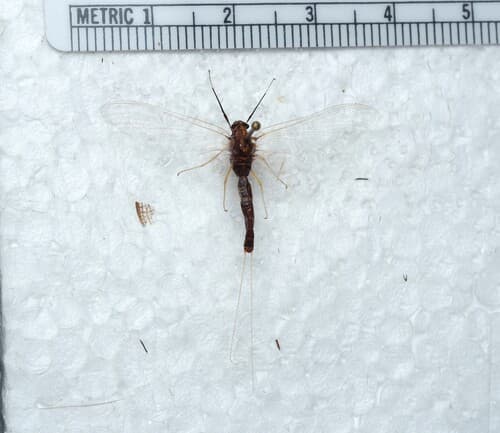
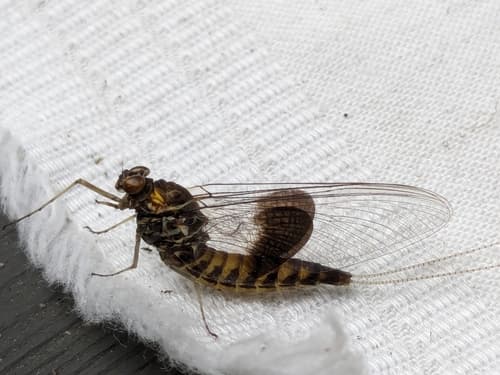
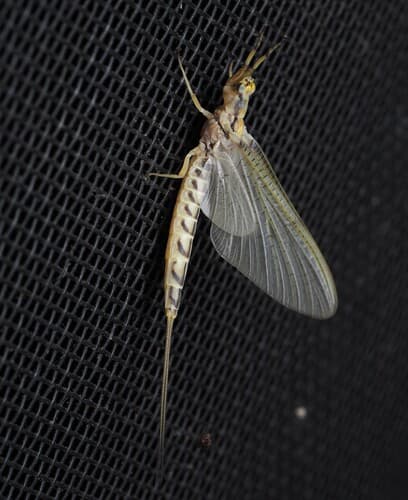
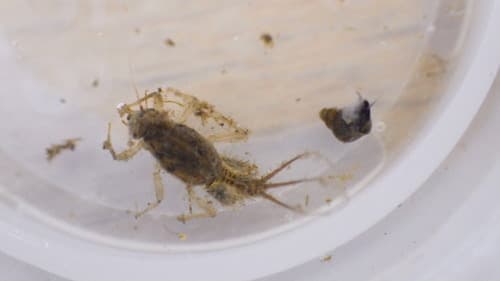
DNR stocking
Michigan DNR Fish Stocking Database records since 1979 for Boardman River, North Branch Boardman River. 176 plants on record. Snapshot 2026-09-28. DNR “rainbow trout” of Michigan or Skamania strain are steelhead smolts. Open the DNR database.
Rainbow troutsteelhead strain
Michigan, Skamania · since 1980
- 2021
- —
- 2022
- 16,499
- 2023
- 16,500
- 2024
- 18,806
- 2025
- 16,500
- 2026
- 16,947
- Latest plant
- Apr 13, 2026Weir · 7.9 in
Chinook salmon
Michigan · since 1985
- 2021
- —
- 2022
- 74,834
- 2023
- —
- 2024
- 69,900
- 2025
- —
- 2026
- 96,113
- Latest plant
- May 4, 2026Boardman River Net Pen · 3.5 in
Coho salmon
Michigan · since 1996
- 2021
- 99,984
- 2022
- 104,294
- 2023
- 102,872
- 2024
- 104,375
- 2025
- 86,800
- 2026
- 91,373
- Latest plant
- Apr 29, 2026Us-31(Mouth) · 5.5 in
Arctic grayling
Chena River · since 2025
- 2021
- —
- 2022
- —
- 2023
- —
- 2024
- —
- 2025
- 1,680
- 2026
- —
- Latest plant
- Oct 28, 2025North Branch Boardman River · 4.9 in
Lake sturgeon
Black Lake · since 2024
- 2021
- —
- 2022
- —
- 2023
- —
- 2024
- 860
- 2025
- 700
- 2026
- —
- Latest plant
- Oct 16, 2025Hannah Park · 6.8 in
| Species | 2021 | 2022 | 2023 | 2024 | 2025 | 2026 | Latest plant |
|---|---|---|---|---|---|---|---|
Rainbow troutsteelhead strain Michigan, Skamania · since 1980 | — | 16,499 | 16,500 | 18,806 | 16,500 | 16,947 | Apr 13, 2026Weir · 7.9 in |
Chinook salmon Michigan · since 1985 | — | 74,834 | — | 69,900 | — | 96,113 | May 4, 2026Boardman River Net Pen · 3.5 in |
Coho salmon Michigan · since 1996 | 99,984 | 104,294 | 102,872 | 104,375 | 86,800 | 91,373 | Apr 29, 2026Us-31(Mouth) · 5.5 in |
Arctic grayling Chena River · since 2025 | — | — | — | — | 1,680 | — | Oct 28, 2025North Branch Boardman River · 4.9 in |
Lake sturgeon Black Lake · since 2024 | — | — | — | 860 | 700 | — | Oct 16, 2025Hannah Park · 6.8 in |
Earlier plants, not stocked in the last five years
- Brown trout
- Years
- 1990
- Fish planted
- 200,000
- Last plant
- May 14, 1990 · Weir
| Species | Years | Fish planted | Last plant |
|---|---|---|---|
| Brown trout | 1990 | 200,000 | May 14, 1990 · Weir |
Recent plants, by date
- May 4, 2026 96,113 chinook salmon (Michigan) at Boardman River Net Pen3.5 inadipose, coded wire tag
- Apr 29, 2026 33,993 coho salmon (Michigan) at Us-31(Mouth)5.5 inadipose, coded wire tag
- Apr 29, 2026 57,380 coho salmon (Michigan) at Us-31(Mouth)5.5 inadipose, coded wire tag
- Apr 13, 2026 8,450 rainbow trout (Michigan) at Weir7.9 in
- Apr 13, 2026 8,497 rainbow trout (Michigan) at Weir7.9 in
- Oct 28, 2025 557 arctic grayling (Chena River) at North Branch Boardman River4.9 inAdipose Clip, PIT tagTribal/DNR Coop Plant
- Oct 16, 2025 10 lake sturgeon (Black Lake) at Hannah Park6.8 incoded wire tag, PIT tagTribal Plant
- Oct 12, 2025 160 lake sturgeon (Black Lake) at Union Street6.2 incoded wire tag, PIT tagTribal Plant
Gear rules
Transcribed from the 2026 Michigan Fishing Regulations digest. Confirm with the DNR before fishing.
- Boardman River (Grand Traverse County) Type 4 reach
- Tackle
- general
- Season
- All year
- Notes
- Type 4; boundaries not cleanly captured from the two-column digest. Closed to fishing whenever the weir is in place between the Front Street Bridge and the pedestrian bridge.verify
| Reach | Tackle | Season | Notes |
|---|---|---|---|
| Boardman River (Grand Traverse County) Type 4 reach | general | All year | Type 4; boundaries not cleanly captured from the two-column digest. Closed to fishing whenever the weir is in place between the Front Street Bridge and the pedestrian bridge.verify |