Fly patterns
136 patterns, each linked to what it imitates so the fly finder can put it in season. Filter by type, fish, or setup.
9 patterns
 Reference photo
The Little Black Stonefly (Allocapnia, Taeniopteryx) is the first insect steelhead see in numbers, peaking late February through April, and Current Works ranks it among Michigan's top five steelhead flies, best on sunny days in clear water. Nymphs stir at 36 F water and crawl on shelf ice; fish a weighted #8 to #12 stone as the point fly with an egg on a tag, and #14 to #18 for the tiny winter stones. Chuck Hawkins ties it large during spring runoff.
Indicator nymphing · Chuck and duck · Euro / tight-line nymphing
 Reference photo
The generalist buggy nymph for Michigan's clinger mayflies and caddis pupae, and MidCurrent lists a #10 to #14 Hare's Ear among winter steelhead nymphs. Dead-drift it under an indicator all season for trout, and as a trailer behind an egg or stonefly for steelhead.
Indicator nymphing · Euro / tight-line nymphing
 Reference photo
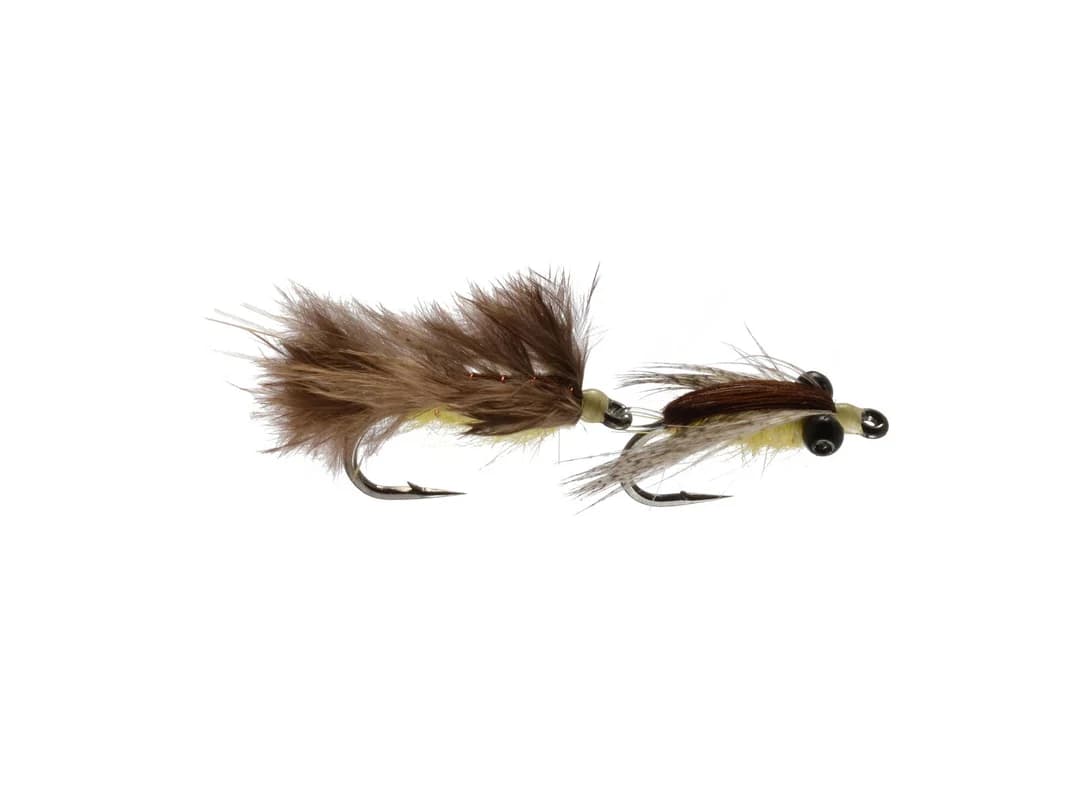
Current Works' number one Michigan steelhead fly, because most steelhead rivers (Muskegon, Manistee, Pere Marquette, Au Sable, St. Marys) hold silt-burrowing Hexagenia and trout may see up to 2,000 nymphs a day outside the hatch. Fish #6 to #8 under an indicator or chuck-and-duck year-round for steelhead, in the two weeks before the June hatch for trout, and in July for St. Marys Atlantic salmon.
Indicator nymphing · Chuck and duck · Euro / tight-line nymphing
 Reference photo
A U.P. steelhead guide's nymph rig runs double-bead stoneflies and Pat's Rubber Legs #8 to #10 in black and brown as the point fly ahead of an egg or caddis. For trout it is a generic big stonefly for the Pine, Upper Manistee and Sturgeon, fished deep in fast water year-round; Michigan trout sources do not name it, so treat the trout use as generic.
Indicator nymphing · Chuck and duck · Euro / tight-line nymphing
 Reference photo
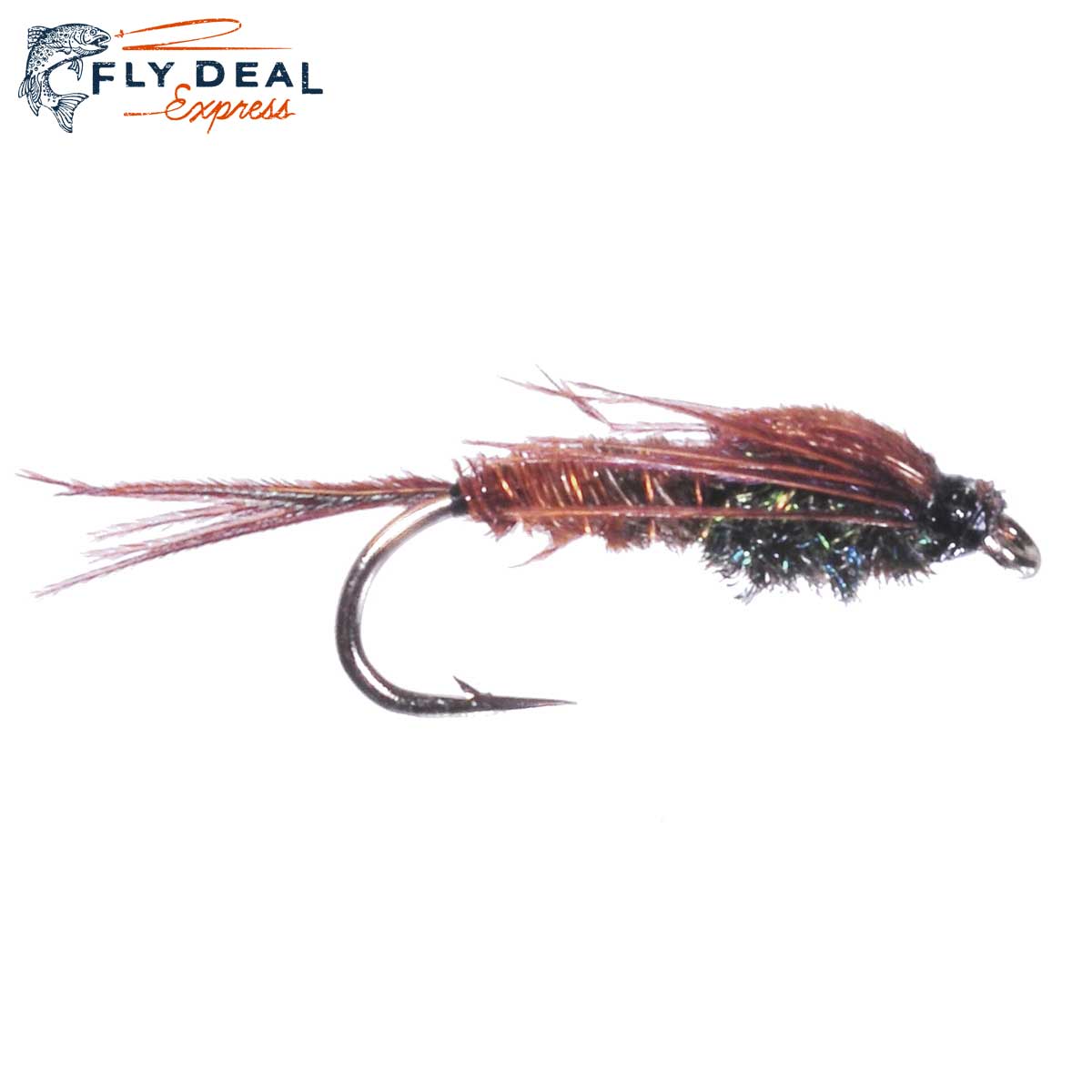
Old Au Sable Fly Shop names a #12 to #14 Pheasant Tail as the Hendrickson nymph, and it covers every Michigan Ephemerella and Baetis nymph before and during a hatch. A beadhead #10 is a standard trailer fly in U.P. steelhead rigs, and #12 to #20 versions take pink salmon in clear water. Fish it dead-drifted under an indicator or on a tight line in the weeks before each mayfly hatch.
Indicator nymphing · Euro / tight-line nymphing
 Reference photo
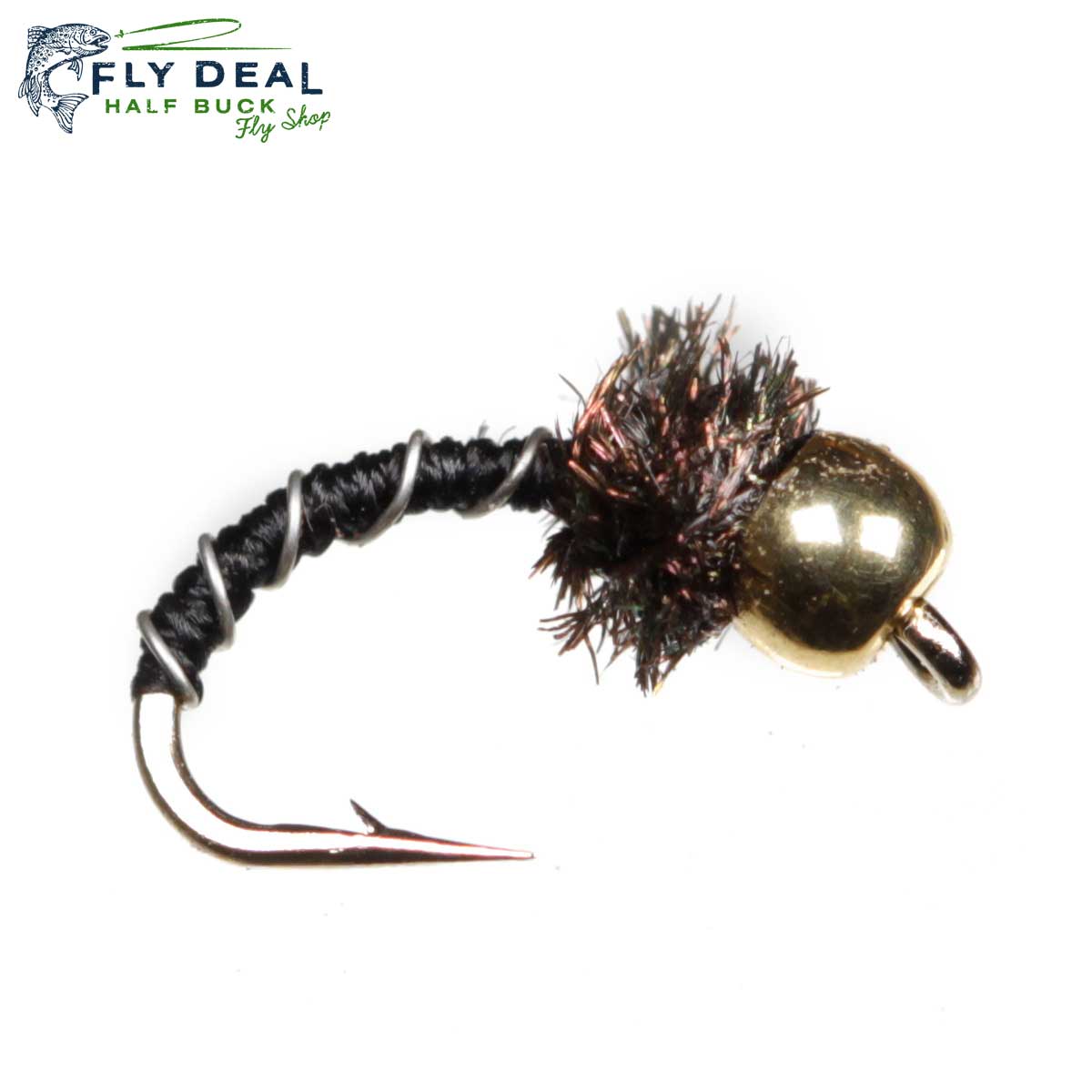
Black-bodied #20 to #24 midges are the main winter food on the Muskegon tailwater from November through April, with heavy hatches near springs on warm afternoons. Fish a Zebra Midge as a dropper under a small indicator or behind a scud; it also takes pink salmon in clear water and St. Marys Atlantics feeding on midges in late summer.
Indicator nymphing · Euro / tight-line nymphing
 Reference photo
Michigan charts list the Early Brown Stonefly #10 to #14 from March 15 to May 10, 1 to 7 pm, following the black stones as the trout opener approaches. Dead-drift a brown stone nymph along the edges of riffles in April on the Au Sable and Manistee before the Hendricksons start.
Indicator nymphing · Euro / tight-line nymphing
 Reference photo
Pteronarcys dorsata nymphs live two to four years, so the #2 to #6 nymph is available all year and is the Pine River staple, where Hawkins calls it a river of nymphs, sculpins and baitfish rather than a surface river. Bounce it through fast pockets on the Pine, Sturgeon and Upper Manistee; the adults emerge sporadically at night from mid May to June and are rarely fished.
Indicator nymphing · Euro / tight-line nymphing · Chuck and duck
 Reference photo
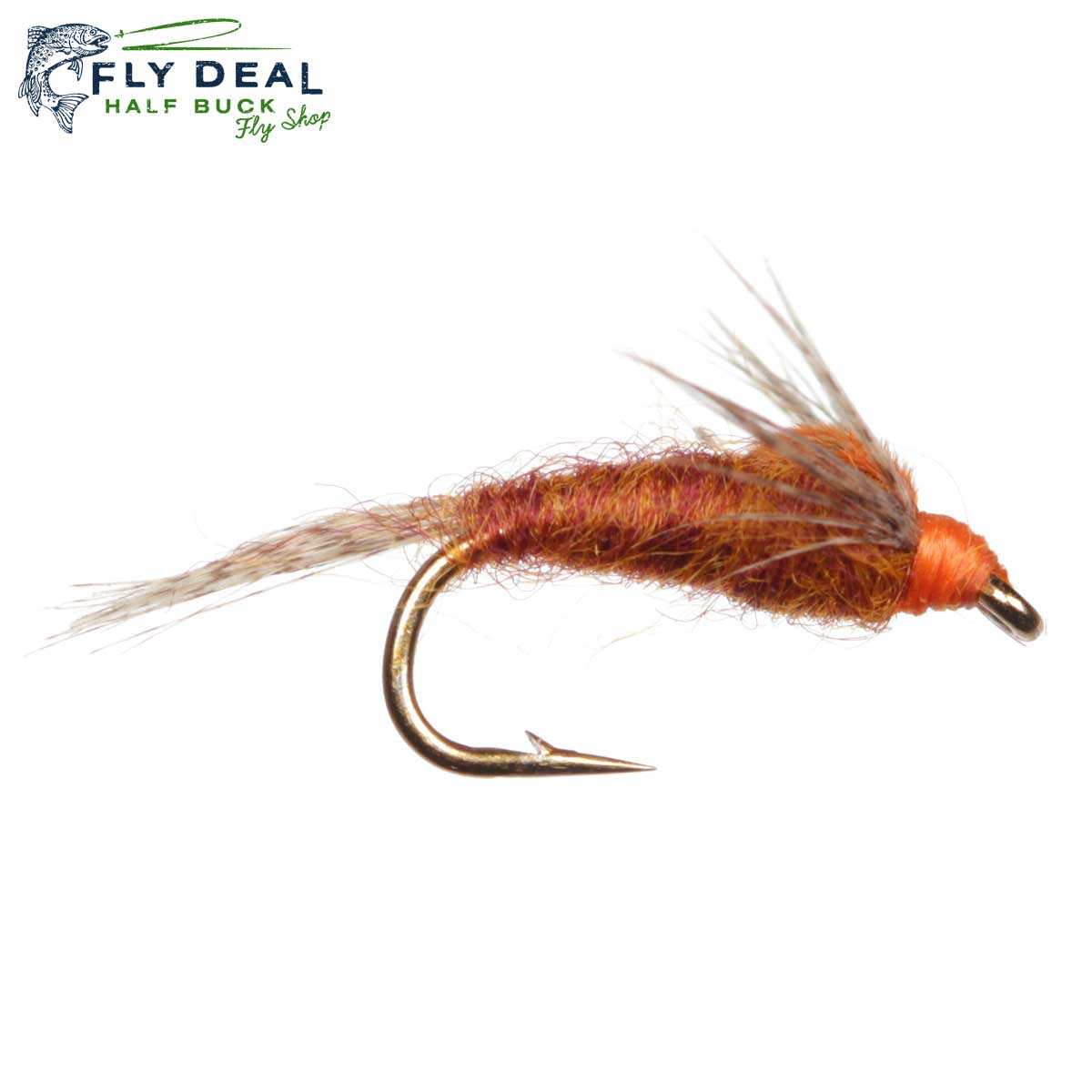
The fished stage of the Isonychia on Michigan rivers, since the strong-swimming nymphs migrate to the bank to crawl out. Swing or twitch it through cobble riffles in the evening from June to September on the Au Sable, Upper Manistee, Boardman and Muskegon.
Indicator nymphing · Euro / tight-line nymphing