Rivers / Northeast Lower Peninsula
Au Sable River (Holy Waters and Main Stream to McMasters)
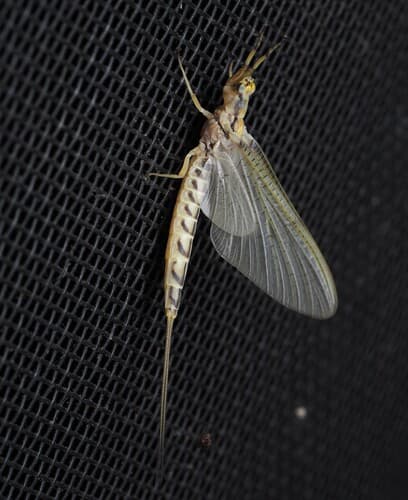
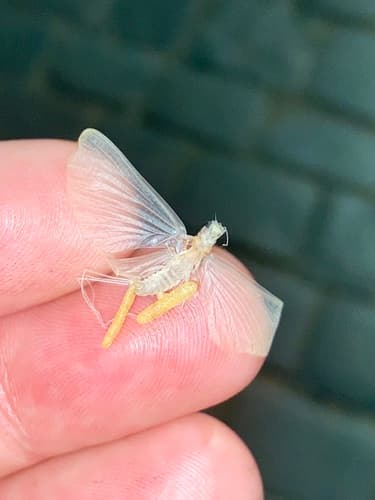
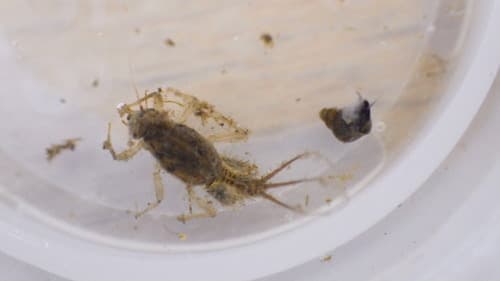
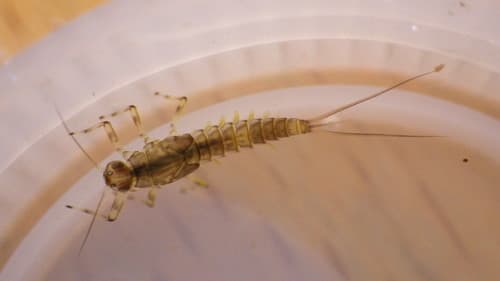
Sand and gravel bottom, groundwater-fed main stream with trout-filled pools, runs and riffles holding browns, rainbows and brook trout. The Burton's Landing to Wakeley Bridge reach is the state's flagship flies-only, no-kill water and the northern Lower Peninsula baseline for every Michigan hatch chart. Hendricksons open the season from the last week of April, followed by Sulphurs, Brown Drakes, Isonychia and a Hex peak of June 20-28, with White Flies at dusk from mid-August and Tricos July through September.
Fish by month
- Brown trout
MDNR names the Au Sable among Michigan's premier brown trout rivers; Hex at night is the big-fish event.
- J
- F
- M
- A
- M
- J
- J
- A
- S
- O
- N
- D
- Origin
- wild
- Confidence
- A
- Brook trout
Present through the Holy Waters, more numerous in the branches and headwaters.
- J
- F
- M
- A
- M
- J
- J
- A
- S
- O
- N
- D
- Origin
- wild
- Confidence
- B
- Rainbow trout (resident)
Resident rainbows listed by Old Au Sable Fly Shop; DNR stocks rainbows farther downstream at Mio, Comins Flats and McKinley.
- J
- F
- M
- A
- M
- J
- J
- A
- S
- O
- N
- D
- Origin
- mixed
- Confidence
- B
| Species | Months | Origin | Confidence |
|---|---|---|---|
| Brown trout MDNR names the Au Sable among Michigan's premier brown trout rivers; Hex at night is the big-fish event. |
| wild | A |
| Brook trout Present through the Holy Waters, more numerous in the branches and headwaters. |
| wild | B |
| Rainbow trout (resident) Resident rainbows listed by Old Au Sable Fly Shop; DNR stocks rainbows farther downstream at Mio, Comins Flats and McKinley. |
| mixed | B |
Hatching in May
- PeakBlue-Winged OliveApr 15 – Oct 24 · peak May 1 – May 7
- PeakBlue QuillApr 15 – Jul 8 · peak May 1 – May 14
- PeakHendricksonApr 20 – May 20 · peak May 1 – May 14
- PeakLittle Black CaddisApr 20 – Jun 30 · peak May 1 – May 14
- PeakGreat Speckled OliveMay 15 – Jul 15 · peak May 15 – May 31
- HatchingEarly Brown StoneflyMar 15 – May 10
- HatchingBlack QuillApr 20 – Jun 15
- HatchingGrannomApr 20 – Jul 31
- HatchingTan CaddisMay 1 – Sep 30
- HatchingLittle Sister SedgeMay 1 – Jul 31
- HatchingLittle Yellow SallyMay 1 – Jun 30
- HatchingSulphurMay 15 – Jul 8 · peak Jun 7 – Jun 30
- HatchingLittle SulphurMay 15 – Jul 15
- HatchingTiny Blue-Winged OliveMay 15 – Aug 30
- HatchingMarch BrownMay 15 – Jul 20
- HatchingIsonychiaMay 15 – Sep 30 · peak Jun 1 – Jun 30
- HatchingGolden StoneflyMay 15 – Aug 7
- HatchingGiant Black StoneflyMay 15 – Jun 30
- HatchingCrane FlyMay 15 – Jul 8
- HatchingGray DrakeMay 20 – Jul 15 · peak Jun 1 – Jun 7
- HatchingQuill GordonMay 24 – Jul 12
- HatchingGreen Rock WormAll year
- HatchingMidgeAll year
Eggs in the drift
In May the drift carries white and longnose sucker eggs, with white and longnose sucker at peak. Spawning follows water temperature rather than the hatch offset, so these months do not shift.
- White and longnose sucker eggsTie on Glo Bug, Sucker Spawn, Scrambled Eggs
- J
- F
- M
- A
- M
- J
- J
- A
- S
- O
- N
- D
- May
- Peak
- Colors to fish
- Pale Yellow, Cream, Light Gold, Peach
- Hooks
- #12–16
- Brown trout eggs (resident and lake-run)Tie on Nuke Egg, Glo Bug, Blood Dot Egg
- J
- F
- M
- A
- M
- J
- J
- A
- S
- O
- N
- D
- May
- Not drifting
- Colors to fish
- Steelhead Orange, Egg, Oregon Cheese
- Hooks
- #10–14
- Brook trout eggsTie on Micro Spawn (6 to 8 mm yarn egg)
- J
- F
- M
- A
- M
- J
- J
- A
- S
- O
- N
- D
- May
- Not drifting
- Colors to fish
- Oregon Cheese, Apricot, Peach
- Hooks
- #12–16
| Egg source | Months | May | Colors to fish | Hooks |
|---|---|---|---|---|
White and longnose sucker eggsTie on Glo Bug, Sucker Spawn, Scrambled Eggs |
| Peak | Pale Yellow, Cream, Light Gold, Peach | #12–16 |
Brown trout eggs (resident and lake-run)Tie on Nuke Egg, Glo Bug, Blood Dot Egg |
| Not drifting | Steelhead Orange, Egg, Oregon Cheese | #10–14 |
Brook trout eggsTie on Micro Spawn (6 to 8 mm yarn egg) |
| Not drifting | Oregon Cheese, Apricot, Peach | #12–16 |
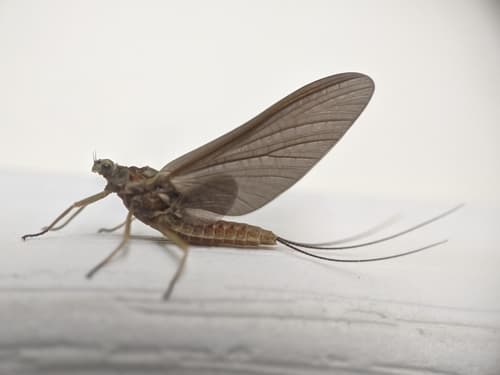
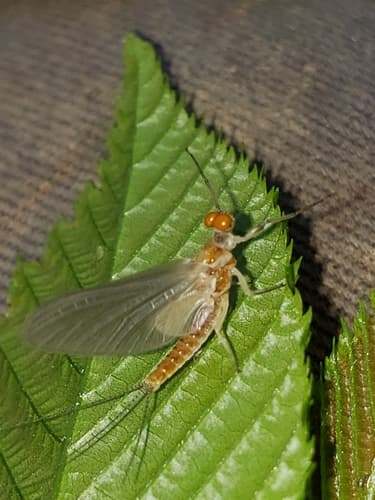
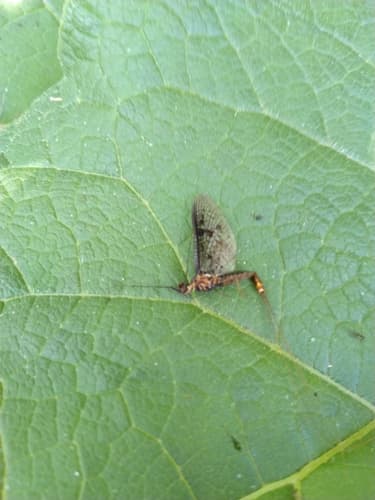
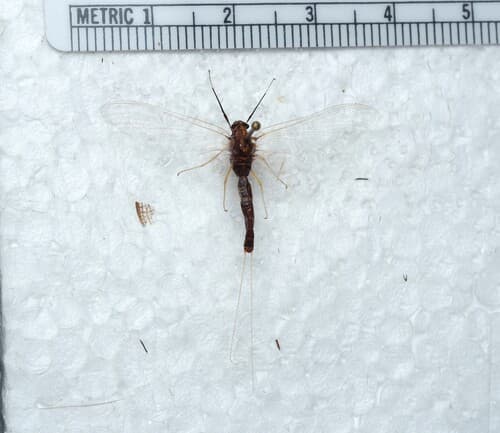
Signature hatches
DNR stocking
Michigan DNR Fish Stocking Database records since 1979 for Au Sable River (Crawford County). 80 plants on record. Snapshot 2026-09-28. DNR “rainbow trout” of Michigan or Skamania strain are steelhead smolts. Open the DNR database.
Earlier plants, not stocked in the last five years
- Rainbow trout
- Years
- 1979–2015
- Fish planted
- 44,795
- Last plant
- Jul 3, 2015 · Grayling Park
- Brown trout
- Years
- 2005–2019
- Fish planted
- 1,390
- Last plant
- May 21, 2019 · Grayling Park
- Brook trout
- Years
- 1991–2005
- Fish planted
- 3,540
- Last plant
- Apr 22, 2005 · Private Pond
| Species | Years | Fish planted | Last plant |
|---|---|---|---|
| Rainbow trout | 1979–2015 | 44,795 | Jul 3, 2015 · Grayling Park |
| Brown trout | 2005–2019 | 1,390 | May 21, 2019 · Grayling Park |
| Brook trout | 1991–2005 | 3,540 | Apr 22, 2005 · Private Pond |
Gear rules
Transcribed from the 2026 Michigan Fishing Regulations digest. Confirm with the DNR before fishing.
- Burton's Landing to South Wakeley Bridge Rd. (Holy Waters, 9.0 mi)
- Tackle
- flies only · C&R
- Season
- All year
- Notes
- Artificial flies only; zero trout possession all year (children under 12 may keep one trout 8-12 in).
- South Wakeley Bridge to McMasters Bridge (8.0 mi)
- Tackle
- artificial lures only
- Season
- All year
- Notes
- Possession last Sat. April - Sep. 30 for brook/brown, all year for rainbow; 2 trout, no more than 1 at or over 18 in; brook/rainbow 10 in, brown 18 in.
- McMasters Bridge to Rainbow Bend power line
- Tackle
- general
- Season
- All year
- Notes
- Type 4 (open all year; brook/brown possession last Sat. April - Sep. 30).
| Reach | Tackle | Season | Notes |
|---|---|---|---|
| Burton's Landing to South Wakeley Bridge Rd. (Holy Waters, 9.0 mi) | flies only · C&R | All year | Artificial flies only; zero trout possession all year (children under 12 may keep one trout 8-12 in). |
| South Wakeley Bridge to McMasters Bridge (8.0 mi) | artificial lures only | All year | Possession last Sat. April - Sep. 30 for brook/brown, all year for rainbow; 2 trout, no more than 1 at or over 18 in; brook/rainbow 10 in, brown 18 in. |
| McMasters Bridge to Rainbow Bend power line | general | All year | Type 4 (open all year; brook/brown possession last Sat. April - Sep. 30). |