Rivers / Upper Peninsula
Chocolay River
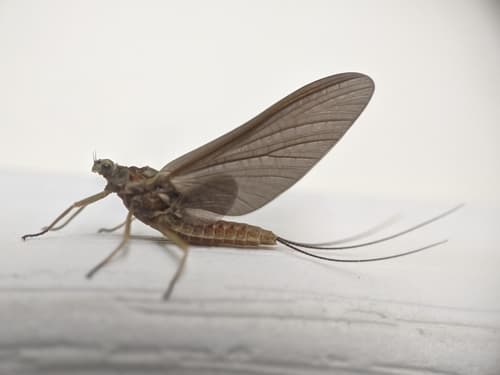
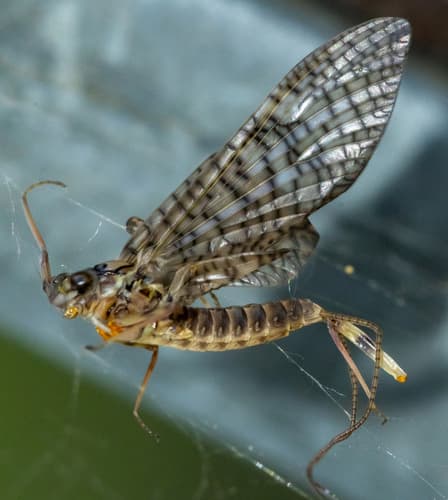
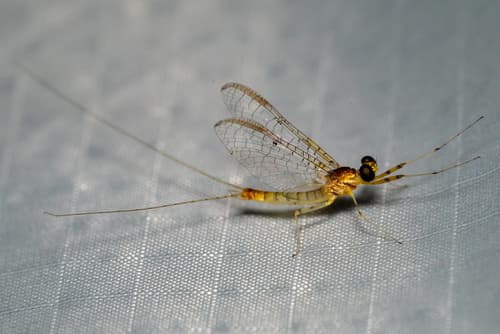
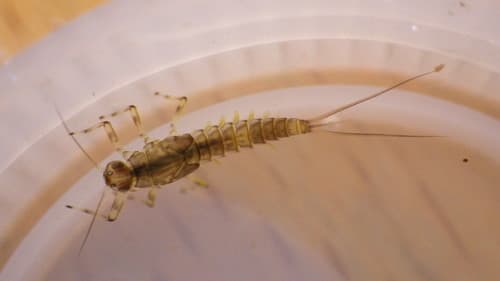
A Marquette-area river that stays largely free of ice, with brown, rainbow and brook trout plus steelhead and salmon. It has reliable hatches of Hendricksons, March Browns, Cahills, Blue-Winged Olives and a variety of caddis, though Brown Drakes and Hex are uncommon. Pinks are the most reliable salmon (late August-September), steelhead are more prevalent starting in October and early May is the best spring window; Chinook and coho are diminishing.
Fish by month
- Brown trout
Resident browns plus fall lake-run browns.
- J
- F
- M
- A
- M
- J
- J
- A
- S
- O
- N
- D
- Origin
- unknown
- Confidence
- B
- Rainbow trout (resident)
Named with browns and brook trout.
- J
- F
- M
- A
- M
- J
- J
- A
- S
- O
- N
- D
- Origin
- unknown
- Confidence
- B
- Brook trout
Named with browns and rainbows.
- J
- F
- M
- A
- M
- J
- J
- A
- S
- O
- N
- D
- Origin
- wild
- Confidence
- B
- Steelhead
April to early May, best early May; October-November.
- J
- F
- M
- A
- M
- J
- J
- A
- S
- O
- N
- D
- Origin
- wild
- Confidence
- B
- Pink salmon
Most reliable salmon run, late August-September.
- J
- F
- M
- A
- M
- J
- J
- A
- S
- O
- N
- D
- Origin
- wild
- Confidence
- B
- Chinook salmon
Diminishing.
- J
- F
- M
- A
- M
- J
- J
- A
- S
- O
- N
- D
- Origin
- unknown
- Confidence
- C
- Coho salmon
Diminishing.
- J
- F
- M
- A
- M
- J
- J
- A
- S
- O
- N
- D
- Origin
- unknown
- Confidence
- C
| Species | Months | Origin | Confidence |
|---|---|---|---|
| Brown trout Resident browns plus fall lake-run browns. |
| unknown | B |
| Rainbow trout (resident) Named with browns and brook trout. |
| unknown | B |
| Brook trout Named with browns and rainbows. |
| wild | B |
| Steelhead April to early May, best early May; October-November. |
| wild | B |
| Pink salmon Most reliable salmon run, late August-September. |
| wild | B |
| Chinook salmon Diminishing. |
| unknown | C |
| Coho salmon Diminishing. |
| unknown | C |
Hatching in September
- HatchingBlue-Winged OliveMay 6 – Nov 14 · peak May 22 – May 28
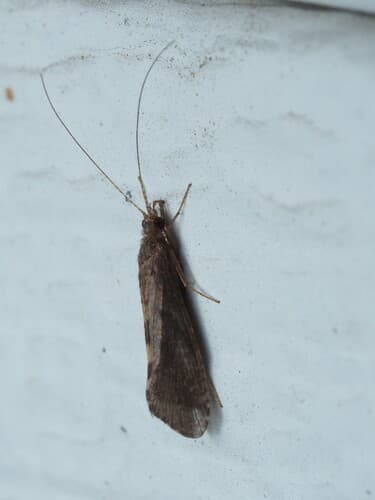
- HatchingTan CaddisMay 22 – Oct 21
- HatchingTiny Blue-Winged OliveJun 5 – Sep 20
- HatchingIsonychiaJun 5 – Oct 21 · peak Jun 22 – Jul 21
- HatchingLight CahillJun 26 – Sep 4
- HatchingWhite MillerJul 22 – Oct 21
- HatchingTricoAug 10 – Nov 10
- HatchingOctober CaddisAug 22 – Nov 21 · peak Oct 11 – Nov 10
- HatchingWhite FlySep 4 – Oct 21
- HatchingMahogany DunSep 22 – Nov 21 · peak Oct 6 – Nov 5
- HatchingGreen Rock WormAll year
- HatchingMidgeAll year
Eggs in the drift
In September the drift carries Chinook salmon, pink salmon, coho salmon and brown trout eggs, with Chinook salmon and pink salmon at peak. Spawning follows water temperature rather than the hatch offset, so these months do not shift.
- Chinook salmon eggsTie on Nuke Egg, Glo Bug, Scrambled Eggs
- J
- F
- M
- A
- M
- J
- J
- A
- S
- O
- N
- D
- September
- Peak
- Colors to fish
- Steelhead Orange, Sockeye, Salmon Egg, Flame
- Hooks
- #6–10
- J
- F
- M
- A
- M
- J
- J
- A
- S
- O
- N
- D
- September
- Peak
- Colors to fish
- Pink Lady, Shrimp Pink, Salmon Egg, Steelhead Orange
- Hooks
- #10–14
- Coho salmon eggsTie on Nuke Egg, Glo Bug, Scrambled Eggs
- J
- F
- M
- A
- M
- J
- J
- A
- S
- O
- N
- D
- September
- Drifting
- Colors to fish
- Steelhead Orange, Sockeye, Salmon Egg, Egg
- Hooks
- #6–12
- Brown trout eggs (resident and lake-run)Tie on Nuke Egg, Glo Bug, Blood Dot Egg
- J
- F
- M
- A
- M
- J
- J
- A
- S
- O
- N
- D
- September
- Drifting
- Colors to fish
- Steelhead Orange, Egg, Oregon Cheese
- Hooks
- #10–14
- Brook trout eggsTie on Micro Spawn (6 to 8 mm yarn egg)
- J
- F
- M
- A
- M
- J
- J
- A
- S
- O
- N
- D
- September
- Not drifting
- Colors to fish
- Oregon Cheese, Apricot, Peach
- Hooks
- #12–16
- Lake trout eggs
- J
- F
- M
- A
- M
- J
- J
- A
- S
- O
- N
- D
- September
- Not drifting
- Colors to fish
- Oregon Cheese, Pale Yellow, Apricot
- Hooks
- #10–12
- Steelhead eggsTie on Nuke Egg, Glo Bug, Sucker Spawn
- J
- F
- M
- A
- M
- J
- J
- A
- S
- O
- N
- D
- September
- Not drifting
- Colors to fish
- Apricot, Peach, Pale Yellow, Oregon Cheese, Light Pink
- Hooks
- #10–14
- Walleye eggsTie on Sucker Spawn, Y2K Egg, Micro Spawn (6 to 8 mm yarn egg)
- J
- F
- M
- A
- M
- J
- J
- A
- S
- O
- N
- D
- September
- Not drifting
- Colors to fish
- Pale Yellow, Cream, Light Gold
- Hooks
- #12–16
- White and longnose sucker eggsTie on Glo Bug, Sucker Spawn, Scrambled Eggs
- J
- F
- M
- A
- M
- J
- J
- A
- S
- O
- N
- D
- September
- Not drifting
- Colors to fish
- Pale Yellow, Cream, Light Gold, Peach
- Hooks
- #12–16
- Redhorse sucker eggsTie on Sucker Spawn, Scrambled Eggs
- J
- F
- M
- A
- M
- J
- J
- A
- S
- O
- N
- D
- September
- Not drifting
- Colors to fish
- Pale Yellow, Light Gold, Cream
- Hooks
- #12–14
| Egg source | Months | September | Colors to fish | Hooks |
|---|---|---|---|---|
Chinook salmon eggsTie on Nuke Egg, Glo Bug, Scrambled Eggs |
| Peak | Steelhead Orange, Sockeye, Salmon Egg, Flame | #6–10 |
| Peak | Pink Lady, Shrimp Pink, Salmon Egg, Steelhead Orange | #10–14 | |
Coho salmon eggsTie on Nuke Egg, Glo Bug, Scrambled Eggs |
| Drifting | Steelhead Orange, Sockeye, Salmon Egg, Egg | #6–12 |
Brown trout eggs (resident and lake-run)Tie on Nuke Egg, Glo Bug, Blood Dot Egg |
| Drifting | Steelhead Orange, Egg, Oregon Cheese | #10–14 |
Brook trout eggsTie on Micro Spawn (6 to 8 mm yarn egg) |
| Not drifting | Oregon Cheese, Apricot, Peach | #12–16 |
Lake trout eggs |
| Not drifting | Oregon Cheese, Pale Yellow, Apricot | #10–12 |
Steelhead eggsTie on Nuke Egg, Glo Bug, Sucker Spawn |
| Not drifting | Apricot, Peach, Pale Yellow, Oregon Cheese, Light Pink | #10–14 |
Walleye eggsTie on Sucker Spawn, Y2K Egg, Micro Spawn (6 to 8 mm yarn egg) |
| Not drifting | Pale Yellow, Cream, Light Gold | #12–16 |
White and longnose sucker eggsTie on Glo Bug, Sucker Spawn, Scrambled Eggs |
| Not drifting | Pale Yellow, Cream, Light Gold, Peach | #12–16 |
Redhorse sucker eggsTie on Sucker Spawn, Scrambled Eggs |
| Not drifting | Pale Yellow, Light Gold, Cream | #12–14 |
Signature hatches
DNR stocking
Michigan DNR Fish Stocking Database records since 1979 for Chocolay River. 25 plants on record. Snapshot 2026-09-28. DNR “rainbow trout” of Michigan or Skamania strain are steelhead smolts. Open the DNR database.
Rainbow troutsteelhead strain
Michigan, Skamania · since 1980
- 1996
- —
- 2001
- 18,881
- 2023
- 11,997
- 2024
- 12,000
- 2025
- 11,988
- 2026
- 11,797
- Latest plant
- May 28, 2026Chocolay River-Green Garden · 7.4 in
| Species | 1996 | 2001 | 2023 | 2024 | 2025 | 2026 | Latest plant |
|---|---|---|---|---|---|---|---|
Rainbow troutsteelhead strain Michigan, Skamania · since 1980 | — | 18,881 | 11,997 | 12,000 | 11,988 | 11,797 | May 28, 2026Chocolay River-Green Garden · 7.4 in |
Earlier plants, not stocked in the last five years
- Coho salmon
- Years
- 1990–1996
- Fish planted
- 381,096
- Last plant
- May 22, 1996 · Chocolay River
| Species | Years | Fish planted | Last plant |
|---|---|---|---|
| Coho salmon | 1990–1996 | 381,096 | May 22, 1996 · Chocolay River |
Recent plants, by date
- May 28, 2026 11,797 rainbow trout (Michigan) at Chocolay River-Green Garden7.4 in
- May 8, 2025 11,988 rainbow trout (Michigan) at Chocolay River7 inadipose clip
- Apr 18, 2024 9,000 rainbow trout (Michigan) at Chocolay River8 inadipose clip
- Apr 18, 2024 3,000 rainbow trout (Michigan) at Chocolay River8 inadipose clip
- Apr 11, 2023 11,997 rainbow trout (Michigan) at Chocolay River6.6 inadipose clip
Gear rules
Transcribed from the 2026 Michigan Fishing Regulations digest. Confirm with the DNR before fishing.
- Big Creek confluence to Lake Superior
- Tackle
- general
- Season
- All year
- Notes
- Type 3 (open all year; brook/brown 15 in, others 10 in).
| Reach | Tackle | Season | Notes |
|---|---|---|---|
| Big Creek confluence to Lake Superior | general | All year | Type 3 (open all year; brook/brown 15 in, others 10 in). |